
Antonio Bachour
February 5, 2026
Acetate Sheets
February 5, 2026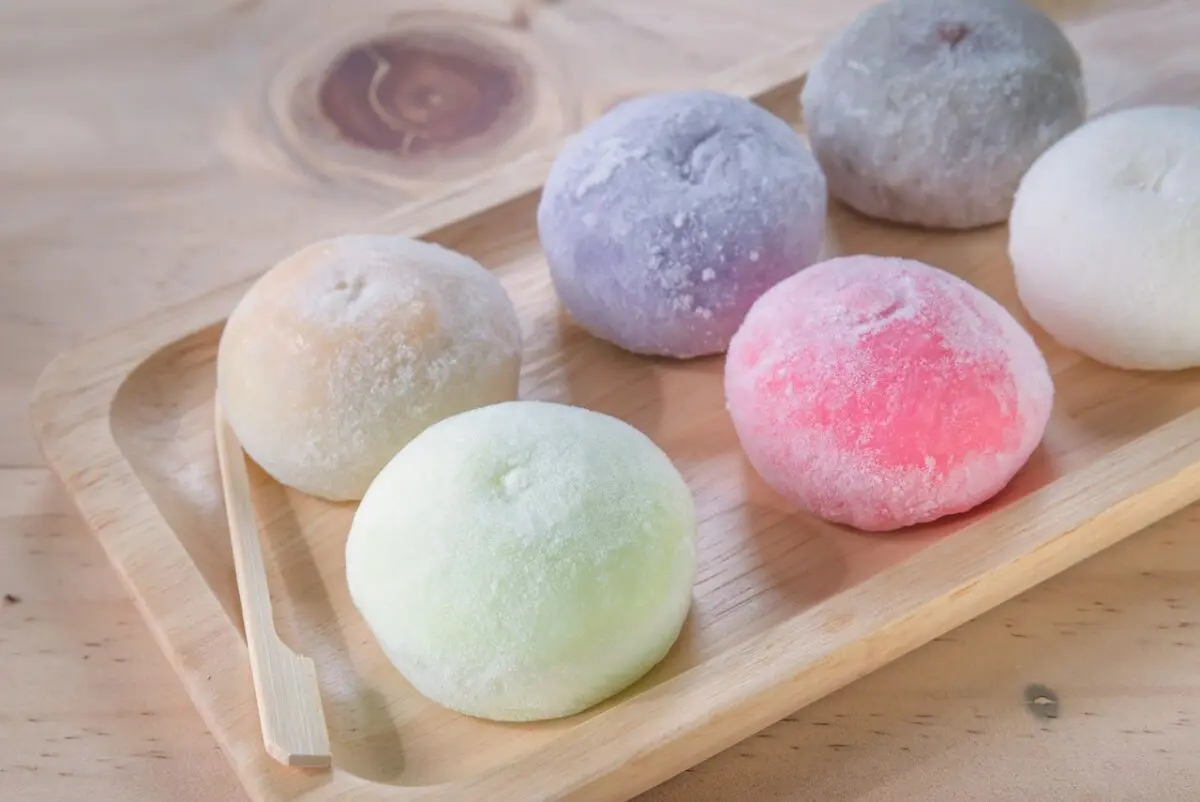
Discovering Mochi: Tradition, Texture and Timeless Appeal
If you have ever bitten into a piece of mochi, you likely remember the feeling first. That soft, slightly chewy exterior gives way to something sweet, cool or comforting inside. Mochi has a simplicity that belies its depth. It is humble in ingredients and rich in culture. Behind that unusual texture is centuries of history and an ongoing journey across the world.
Where mochi comes from
Mochi comes from Japan and has roots that trace back over a thousand years. The earliest credible records place mochi in the Heian period, around the tenth century. Buddhist monks are often credited with shaping early mochi traditions, particularly through ceremonial and ritual use. Over time, mochi moved beyond temples and into everyday life, influenced by farmers, households, and imperial kitchens alike.
The word “mochi” comes from the verb “motsu,” meaning to hold or possess. This meaning feels appropriate. Mochi holds tradition, memory, and shared experience as much as it holds flavour.
Why mochi became central to Japanese culture
Mochi has long been associated with celebration and seasonality. It plays a central role in Japanese New Year traditions, where families and communities gather to pound steamed rice into mochi. This process requires rhythm, teamwork, and patience. It turns cooking into a communal act rather than an individual one.
Beyond symbolism, mochi’s appeal lies in its texture. The transformation of glutinous rice into something elastic and cohesive cannot be rushed. The result is soft yet resilient, gentle yet satisfying. In a culture that values balance and restraint, mochi feels perfectly at home.
The texture that defines mochi
What sets mochi apart from other rice-based foods is how it is made. The rice is soaked, steamed, and then pounded until the starches align and become elastic. This creates the distinctive chew that defines mochi.
This texture allows mochi to take on many forms. It can be stretched, wrapped, cut, or grilled. It can carry sweetness or savoury flavours without overpowering them. Mochi is not loud. It is adaptable.
Traditional variations found in Japan
Across Japan, mochi appears in many regional and seasonal forms.
Kirimochi is cut into blocks and grilled or toasted. Ozoni features mochi served in a clear soup during New Year celebrations. Warabi mochi, made with bracken starch rather than rice, is dusted in kinako and served chilled. Each variation reflects local customs, climate, and ingredients.
These forms show how mochi is not a single dish but a category of preparation that continues to evolve.
How mochi spread around the world
In recent decades, mochi has found new audiences across Asia, North America, Europe, and Australia. One of the most well-known global adaptations is mochi ice cream, which pairs a thin mochi layer with a frozen centre. This version highlights contrast, combining cold creaminess with gentle chew.
In Hawaii, butter mochi emerged as a local favourite, shaped by Japanese immigration and local ingredients like coconut milk and brown sugar. Elsewhere, mochi is filled with chocolate, fruit pastes, or flavoured creams, reflecting regional tastes while maintaining its core identity.
Mochi in modern pastry
In contemporary pastry, chefs often explore mochi as a texture rather than a strict recipe. Some reinterpret it in plated desserts, using chew as a counterpoint to crisp or creamy elements. Others respect its traditional form, focusing on balance and restraint.
In Australia, mochi can be found in Asian bakeries, dessert shops, and modern fusion menus. Its presence continues to grow as diners seek textures and flavours that feel comforting yet different.
Why mochi continues to resonate
Mochi endures because it carries meaning. It represents patience, collaboration, and care. It adapts easily to new environments without losing its identity. Whether enjoyed warm, chilled, filled, or grilled, mochi invites attention and respect.
For pastry chefs and home cooks alike, mochi is a reminder that some of the most memorable foods are built on simple ingredients treated with time and intention.
Frequently Asked Questions about Mochi
What exactly is mochi made of?
Mochi is made from glutinous rice that has been soaked, steamed, and pounded until elastic. Some modern versions use glutinous rice flour.
Does mochi contain gluten?
No. Glutinous rice refers to the texture, not gluten. Mochi is naturally gluten-free unless other ingredients are added.
Is mochi always sweet?
No. Mochi can be sweet or savoury. It may be grilled, served in soup, or filled with sweet pastes.
What is mochi ice cream?
Mochi ice cream wraps a small portion of ice cream in a thin mochi layer. It became popular internationally in the late twentieth century.
Can mochi be made at home?
Yes. Traditional methods are labour-intensive, but many home cooks use glutinous rice flour to create mochi dough.
Why is mochi chewy?
The chew comes from pounding the steamed rice, which aligns starch molecules and creates elasticity.
What are common mochi accompaniments?
Mochi is often paired with red bean paste, kinako, matcha, ice cream, or light soups.