
Amaury Guichon
February 10, 2026
Palette Knife Set
March 17, 2026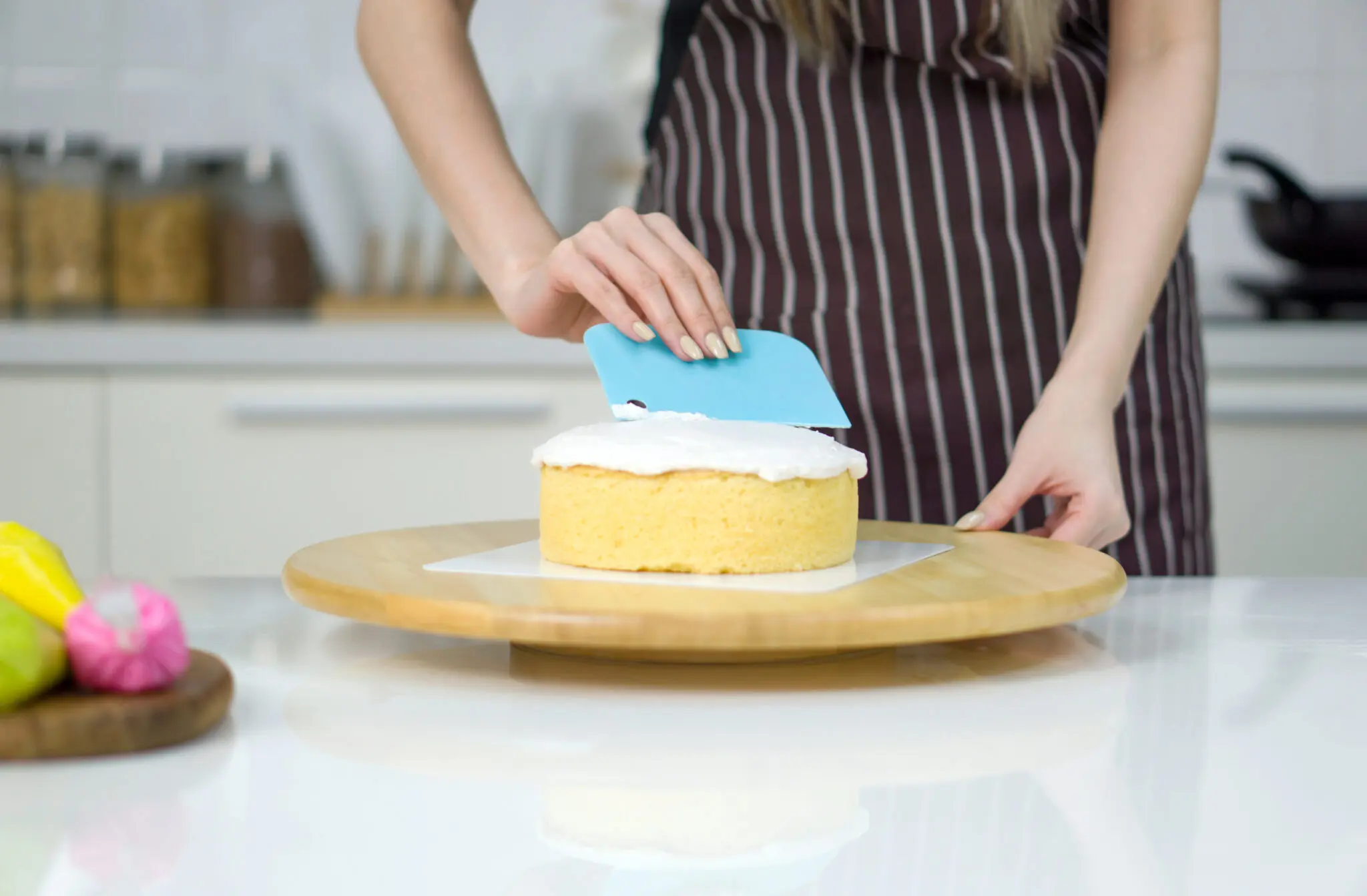
Makes frosting and decorating layer cakes much easier
When people think about decorating cakes, they often focus on icing recipes, piping tips, or fancy finishes. In professional kitchens, though, one of the most relied upon tools is far simpler. A good turntable cake stand quietly does most of the hard work.
For the advanced home chef, a turntable is not a novelty. It is a practical tool that improves control, consistency, and comfort when working on layer cakes. Once you use one properly, it becomes difficult to imagine decorating without it.
What a turntable cake stand actually does
At its core, a turntable cake stand allows the cake to rotate smoothly while your hands stay mostly still. Instead of walking around the bench or twisting your wrist into awkward angles, the cake moves for you.
This simple shift changes everything. Frosting becomes more even. Edges become cleaner. Decorations feel deliberate rather than rushed.
In professional pastry kitchens, turntables are used daily for buttercream and mousse cakes, as well as for plated desserts that require precise finishing.
A brief history of the turntable in pastry
The rotating stand has existed in various forms for centuries. Early versions were used by sculptors and painters to rotate their work. Pastry chefs later adapted the idea for cake decorating as layered cakes became more popular in Europe and the United States.
By the mid twentieth century, the turntable had become standard equipment in bakeries that specialised in celebration cakes. Its role has not changed much since then. The best designs still focus on balance, weight, and smooth movement rather than unnecessary features.
Why it matters for layer cakes
Layer cakes demand symmetry. Even if the cake is meant to look rustic, it still benefits from even layers and clean joins.
A turntable helps with:
- Spreading buttercream evenly across the sides
- Keeping layers aligned while frosting
- Smoothing finishes without stopping and starting
- Applying borders and textures consistently
When the cake rotates evenly, your hand can focus on pressure and angle rather than movement.
The difference between spinning the cake and spinning yourself
Many home bakers decorate cakes by physically moving around the bench. This works, but it introduces inconsistency. Your angle changes. Your pressure changes. Fatigue sets in.
With a turntable, your posture stays stable. Your wrist stays relaxed. Over time, this reduces strain and improves results.
This is especially important for larger cakes or projects that take time. Professional chefs rely on turntables partly because they protect the body as much as they protect the cake.
Types of turntable cake stands.
Not all turntables are created equal. The main differences lie in material, weight, and rotation quality.
Plastic turntables
These are light and affordable. They suit casual use but often lack stability, especially with heavier cakes.
These are light and affordable. They suit casual use but often lack stability, especially with heavier cakes.
Metal turntables
Metal stands offer better weight and balance. They rotate more smoothly and feel more controlled. These are common in professional kitchens.
Metal stands offer better weight and balance. They rotate more smoothly and feel more controlled. These are common in professional kitchens.
Ball bearing turntables
High-quality models feature ball bearings that allow effortless rotation. This makes fine smoothing and piping much easier.
High-quality models feature ball bearings that allow effortless rotation. This makes fine smoothing and piping much easier.
For advanced home chefs, weight and smooth rotation matter more than decorative features.
How a turntable improves frosting technique
When frosting a cake on a turntable, you are not chasing the surface. You are guiding it.
For example, when smoothing buttercream, you can hold a scraper steady while rotating the cake slowly. This produces straight sides and clean edges with far less effort.
The same applies when applying crumb coats, final coats, or textured finishes. Consistency comes from steady motion, not speed.
Decorating beyond buttercream
Turntables are not only for smooth frosting.
They are equally useful for:
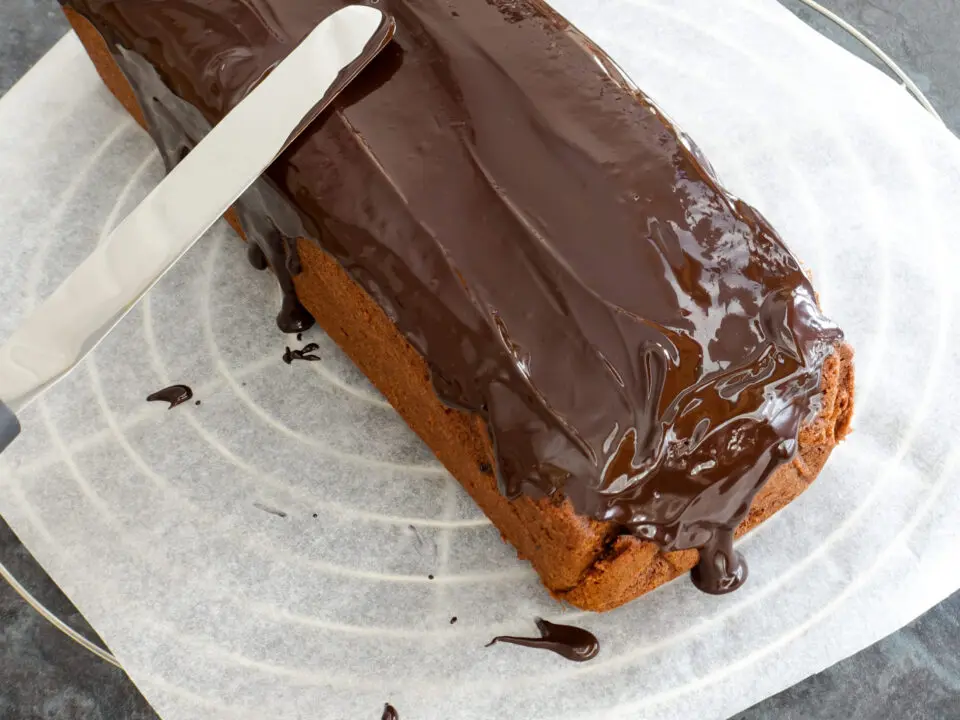
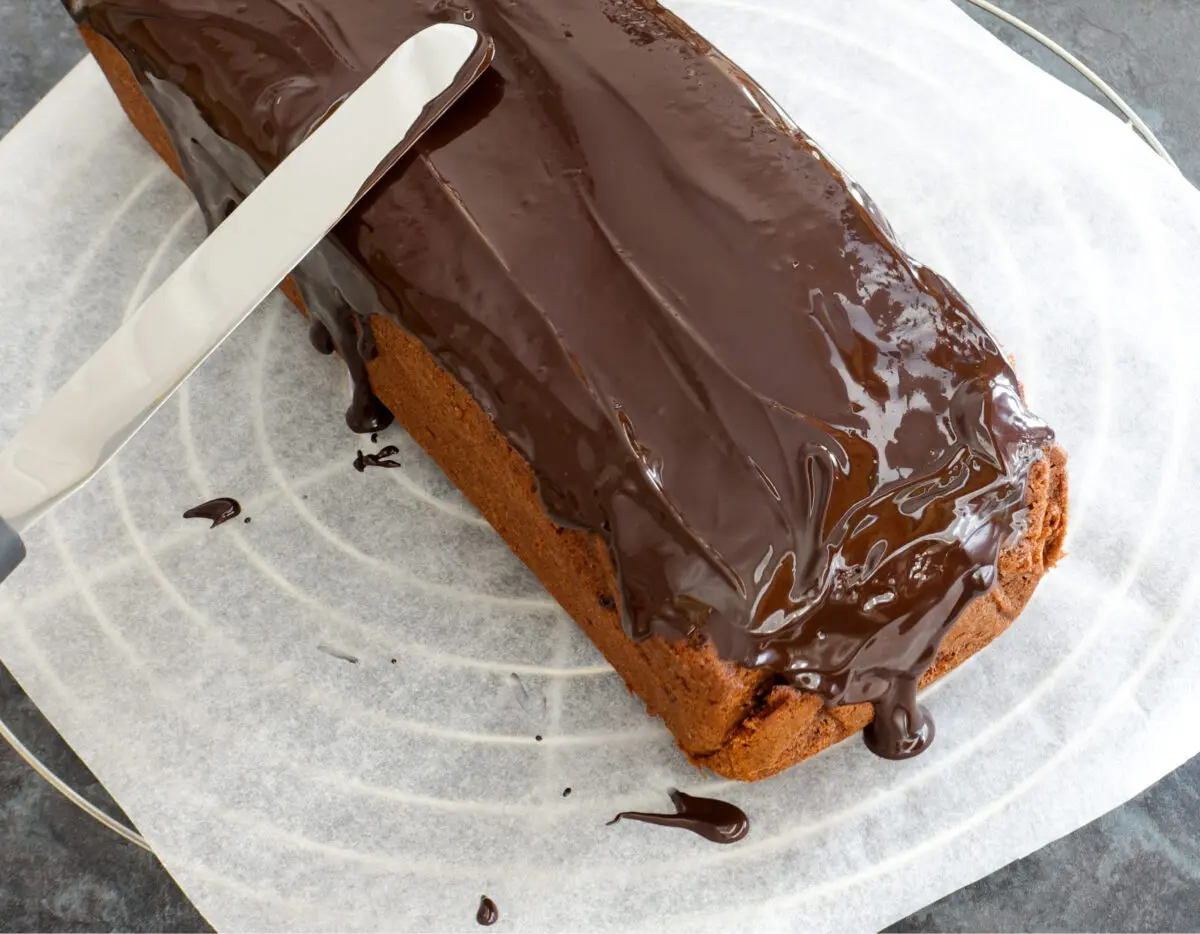
- Applying ganache evenly
- Positioning drip cakes
- Piping borders and patterns
- Placing decorative elements with accuracy
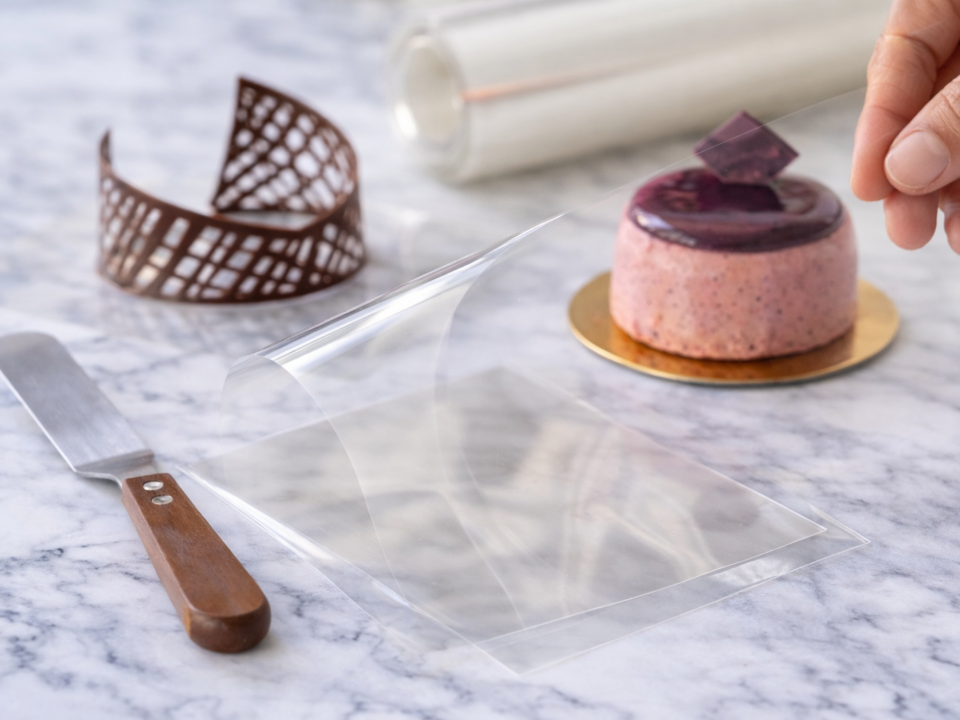
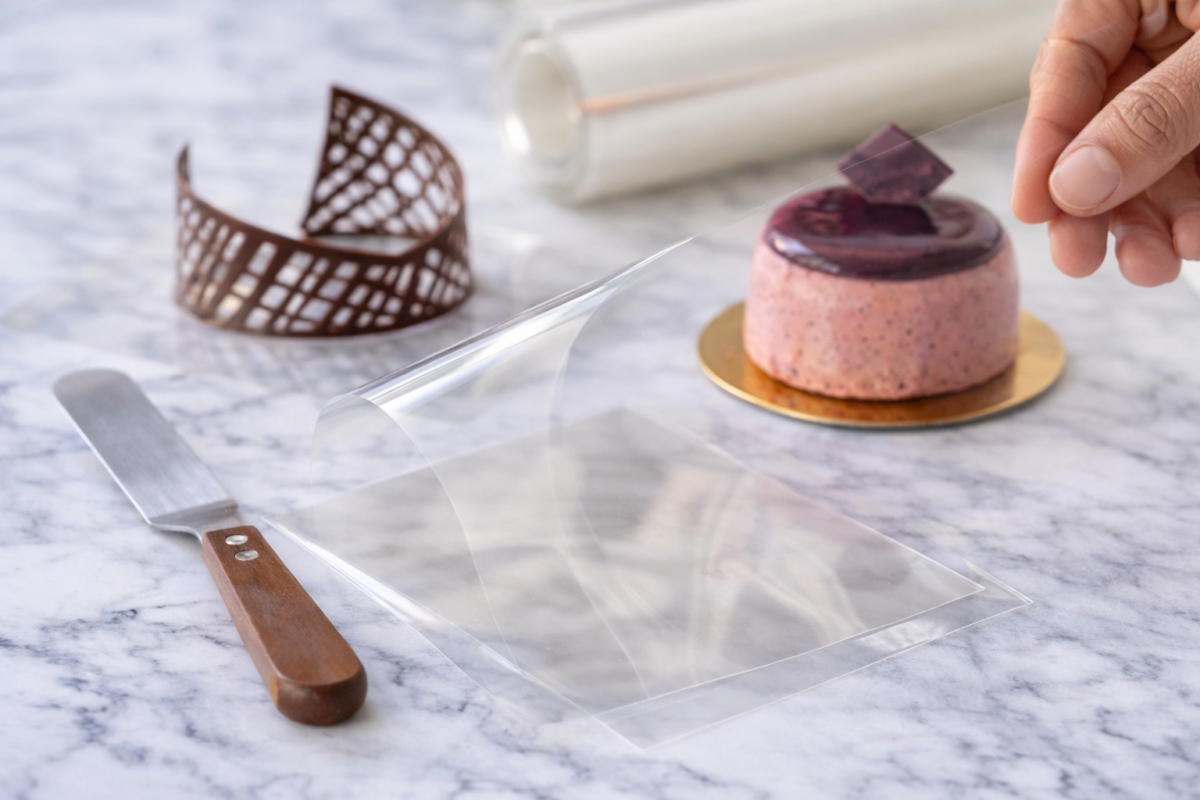
- Working with acetate collars on mousse cakes
Even simple cakes benefit from controlled rotation. It allows you to pause, adjust, and continue without losing your place.
Using a turntable for practice and learning
One of the best ways to improve cake-decorating skills is through repetition. A turntable encourages practice because it makes the process less frustrating.
When beginners struggle, it is often due to awkward movement rather than a lack of skill. Removing that barrier allows focus on technique.
Many pastry schools introduce turntables early for this reason. They teach muscle memory and rhythm, which are essential for clean work.
Caring for your turntable
A good turntable will last many years if treated properly.
Basic care includes:
- Cleaning thoroughly after each use
- Avoiding water ingress in the bearing
- Drying completely before storage
- Checking the rotation occasionally for debris
A smooth turntable should feel effortless. If it starts to resist or wobble, it is usually a sign that it needs cleaning or adjustment.
Why professionals never skip this tool
In professional kitchens, time matters. So does consistency.
Turntables reduce the time spent correcting mistakes and increase the likelihood of clean results on the first attempt. They also make it easier to meet expectations when multiple cakes need to look identical.
For home chefs aiming to elevate their work, adopting professional habits starts with adopting professional tools.
Final thoughts from the pastry bench
A turntable cake stand is not flashy. It does not promise a dramatic transformation on its own. What it offers is something better. Control.
When your cake moves smoothly beneath your hands, decorating becomes calmer, more precise, and far more enjoyable. That shift is what turns decorating from a chore into a craft.
For anyone serious about layer cakes, a turntable is not optional. It is foundational.
Frequently Asked Questions
Do I really need a turntable to decorate cakes?
You can decorate without one, but a turntable makes the process easier and more consistent.
You can decorate without one, but a turntable makes the process easier and more consistent.
What size turntable is best for home use?
Most home chefs do well with a turntable that comfortably holds standard celebration cakes.
Most home chefs do well with a turntable that comfortably holds standard celebration cakes.
Is a metal turntable better than a plastic one?
Metal turntables tend to be more stable and smoother, especially for heavier cakes.
Metal turntables tend to be more stable and smoother, especially for heavier cakes.
Can I use a turntable for mousse cakes?
Yes. Turntables are excellent for smoothing finishes and working with acetate collars.
Yes. Turntables are excellent for smoothing finishes and working with acetate collars.
Do turntables work for small cakes?
They do. Even small cakes benefit from controlled rotation.
They do. Even small cakes benefit from controlled rotation.
How fast should the turntable spin?
Slow and steady is best. Control matters more than speed.
Slow and steady is best. Control matters more than speed.
Do professional pastry chefs use turntables every day?
Yes. Turntables are standard equipment in pastry kitchens.
Yes. Turntables are standard equipment in pastry kitchens.
How do I stop my cake from sliding?
Use a small amount of frosting or a non-slip mat between the board and turntable.
Use a small amount of frosting or a non-slip mat between the board and turntable.