Turntable Cake Stand
February 10, 2026
Gulab Jamun
March 17, 2026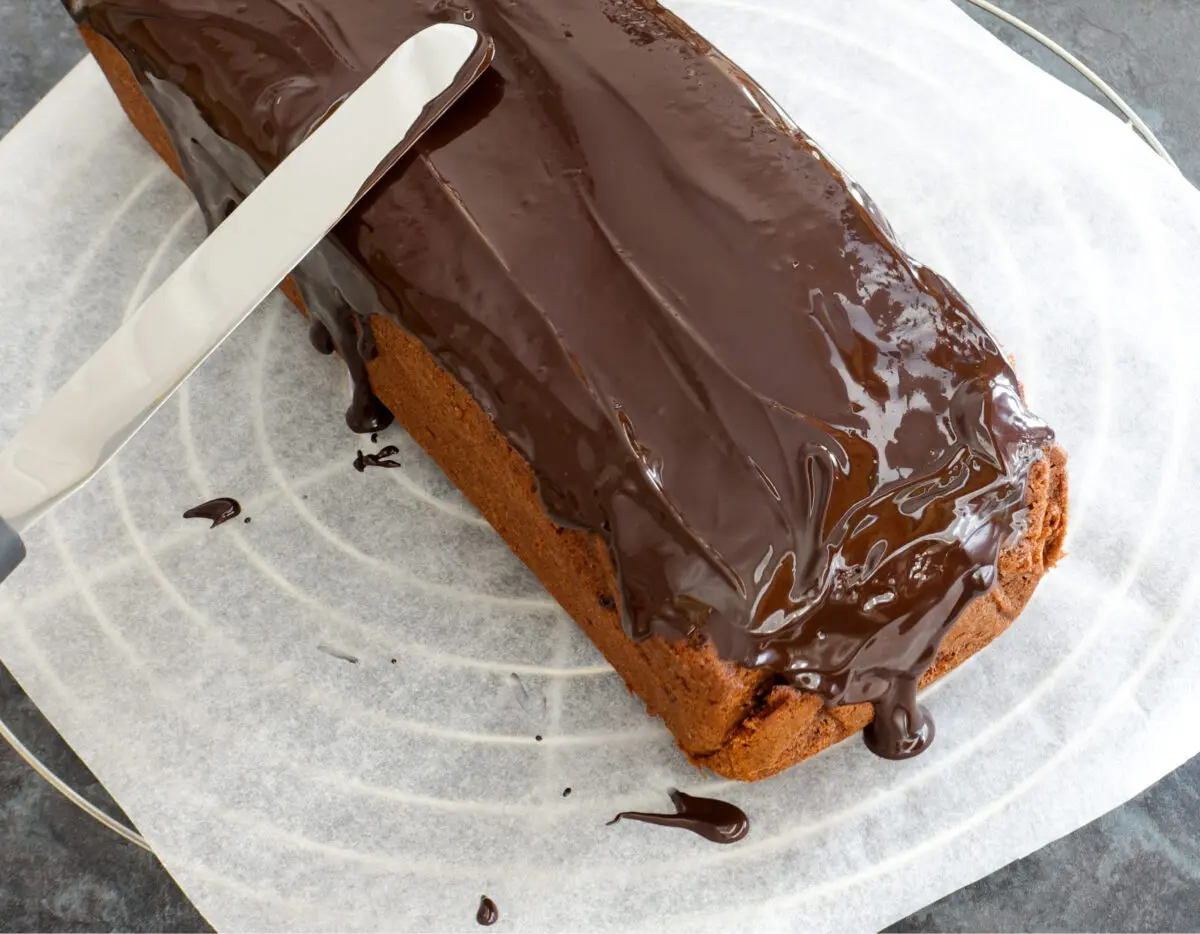
For precise spreading and lifting without damage
Walk into any professional pastry kitchen, and you will find palette knives sitting beside the mixer, the chocolate station and the plating bench. They are simple tools. A thin blade, a small handle, nothing flashy. Yet for decorating and plating desserts, few tools are more useful.
Many home cooks decorate cakes or plate desserts with a spoon, butter knife, or spatula. These tools work, but lack control. A palette knife offers precision for spreading cream smoothly, lifting pastries, and moving decorations without tearing or crushing them.
Upgrade your baking toolkit today with a set of palette knives and see the difference in your dessert presentations.
What is a palette knife?
A palette knife has a thin, flexible metal blade attached to a handle, usually rounded or bent near the handle.
In pastry kitchens, they serve two main purposes. The first is spreading. The second is lifting.
The thin, flexible blade glides across soft ingredients without tearing them, making it ideal for frosting cakes, smoothing mousse, spreading ganache, or shaping whipped cream.
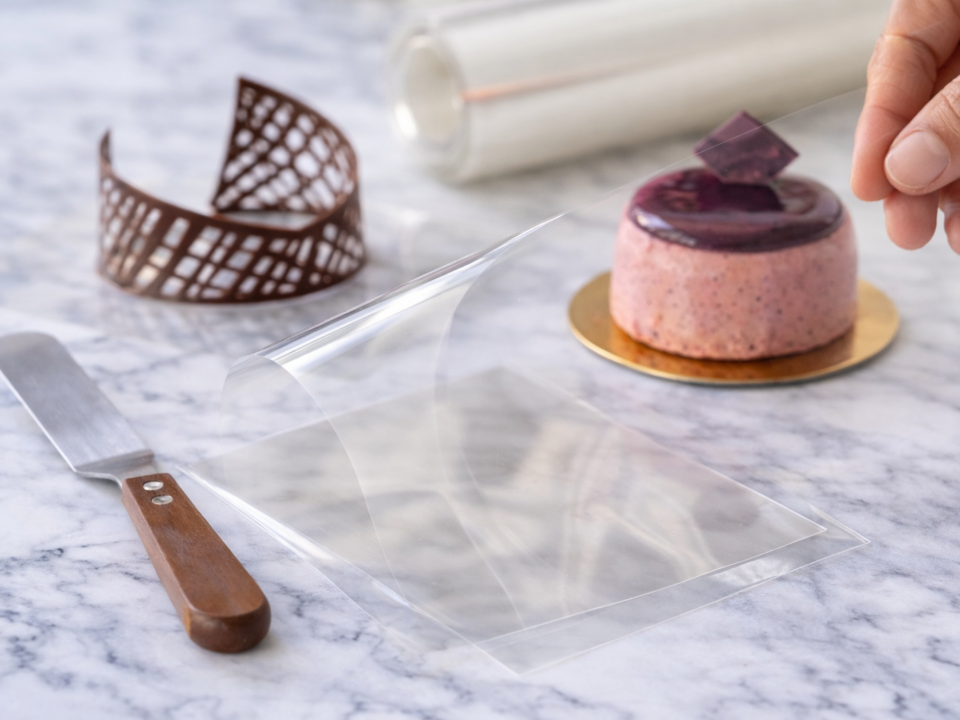
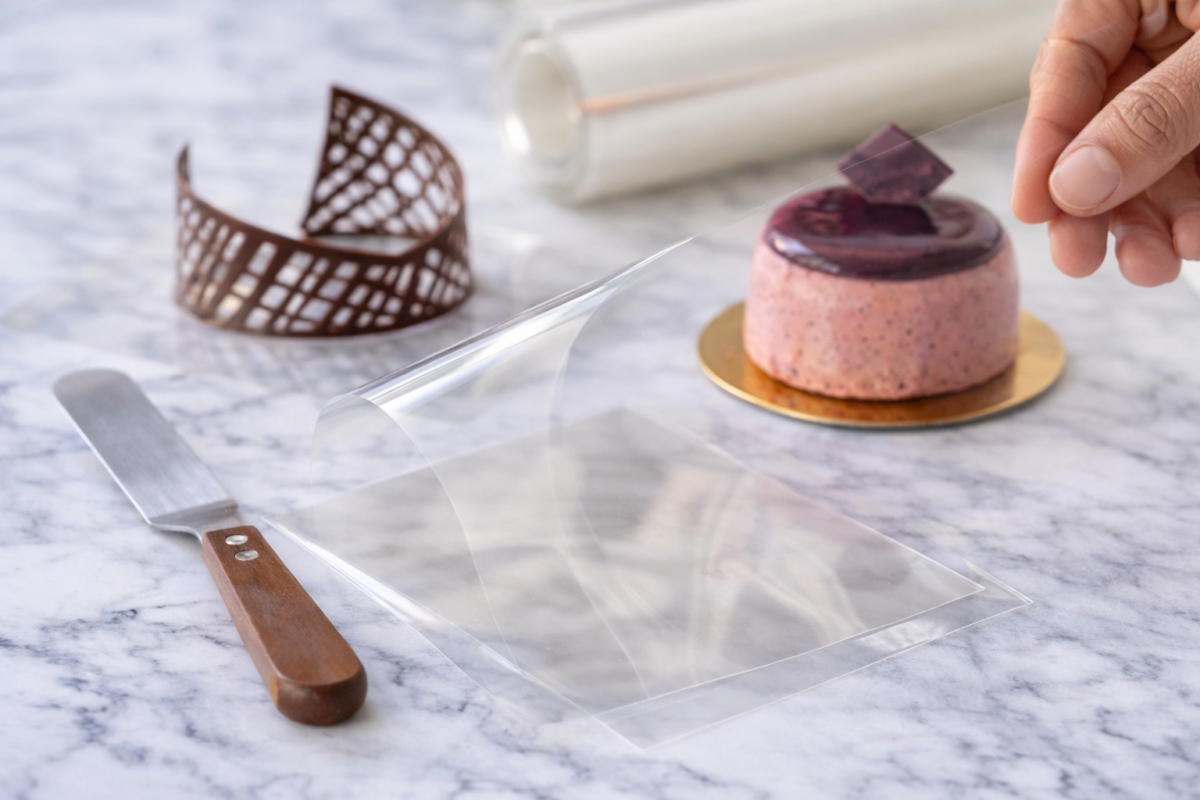
The blade also slides easily under delicate pastries or chocolate decorations. Instead of grabbing a dessert with your hands or scraping it with a spatula, you can lift it gently and move it exactly where it needs to go. Why do professionals use a set rather than one knife?
Many beginners buy one palette knife and assume that it is enough. In reality, pastry chefs tend to keep several sizes nearby.
Different blades are useful for different jobs.
A short palette knife gives you excellent control for small work. Use it to plate desserts, spread a thin layer of cream, or adjust decorations.
A medium knife works well for frosting cakes or smoothing fillings inside layered desserts.
A longer blade helps when you need to spread icing across a cake’s surface in one smooth movement. The extra length prevents ridges and uneven edges.
A small set lets you choose the right tool for each task, rather than relying on a single knife.
Straight or offset palette knives
Palette knives usually come in two styles.
The first is a straight blade. The blade lines up directly with the handle. These are useful when you want close control, especially for spreading small amounts of cream or icing.
The second style has an offset blade. This means the blade bends away from the handle.
That small bend makes a surprising difference. It lets the blade glide over the cake without your fingers coming into contact with the icing. If you have tried frosting a cake with a butter knife, you likely know how easy it is to drag your knuckles through the icing.
An offset palette knife keeps your hand above the surface, allowing you to spread icing smoothly.
Most pastry chefs use both types. Straight blades are best for detail work; offset knives excel at frosting and smoothing.
The art of spreading
Spreading icing or cream looks simple, but the right tool greatly improves the result.
A palette knife lets you move frosting in long, gentle strokes. You guide the icing, not push it.
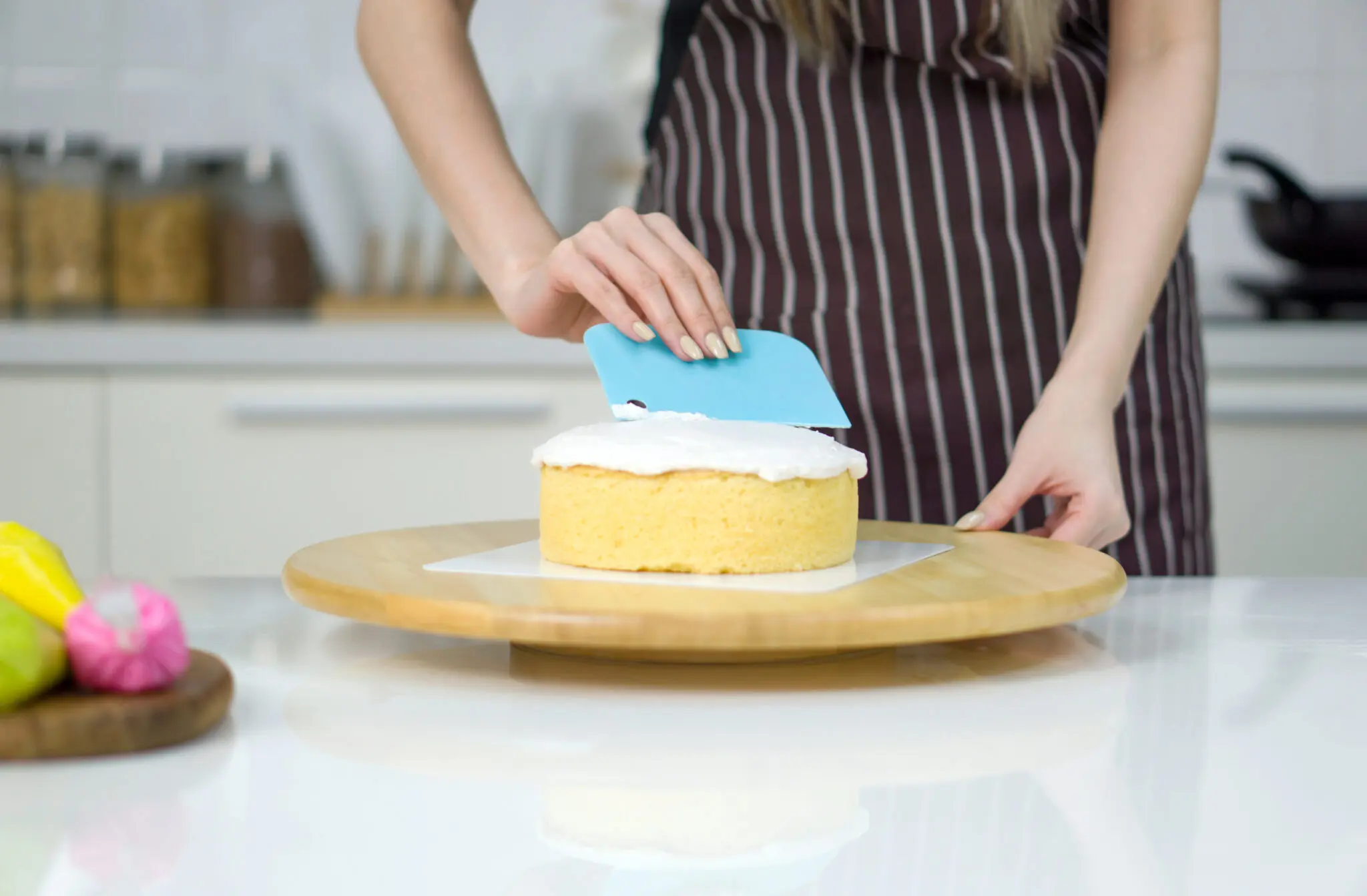
Professional pastry chefs hold the knife nearly flat against the surface. The blade glides across the cream as the cake slowly turns on a stand. This creates a smooth finish with minimal effort.
The same technique works when spreading ganache, pastry cream or mascarpone filling.
The blade’s flexibility lets it follow surfaces, preventing the tearing and dragging that thicker knives cause.
Lifting delicate desserts
Palette knives also shine when you need to move fragile items.
Picking up a thin chocolate garnish, mousse cake slice, or tart shell with fingers can damage them. A large spatula feels clumsy.
A palette knife slides gently underneath and lifts desserts cleanly for precise placement.
This is especially useful when plating restaurant-style desserts. A neat slice of cake or a carefully placed chocolate decoration can make a dish look polished and thoughtful.
The tool disappears into the background, but the result speaks for itself.
Plating with precision
Modern dessert plating often involves carefully placing different elements.
A swipe of cream, a spoon of compote, a shard of chocolate and perhaps a small piece of cake.
Palette knives help create those clean shapes.
For example, if you place a small spoon of cream on a plate and gently pull a palette knife across it, you create a smooth streak of cream. This simple movement appears often in restaurant desserts because it looks elegant and intentional.
The thin blade easily adjusts plate components, nudging garnishes into position without disturbing the dessert.
These small adjustments make a surprising difference in presentation.
Choosing a good palette knife set
When buying palette knives, prioritise quality over looks.
Choose stainless steel blades that are thin, strong, and slightly flexible.
The handle should be comfortable. Many chefs prefer wood for its grip, but good plastic also works.
A useful beginner set usually includes three knives.
A small straight blade for detail work.
A medium offset blade for general use.
A longer offset blade for cakes and large desserts.
A medium offset blade for general use.
A longer offset blade for cakes and large desserts.
This combination covers nearly every decorating and plating task you’ll encounter.
Caring for your palette knives
Palette knives are easy to clean.
Wash by hand in warm water with mild detergent, and dry immediately to keep the blade clean.
Don’t use them for scraping sugar or prying objects. The thin blades are for gentle work only.
If well cared for, a good palette knife can last for many years.
In professional kitchens, it is not unusual to see chefs using knives they bought at the beginning of their careers.
A small tool that teaches patience
One of the quiet lessons of pastry work is patience.
Tools like palette knives slow you down and encourage attention. Rather than rushing, you notice the cream’s texture, the cake’s shape, and how each movement changes the result.
Your hands learn pressure and angle for smooth finishes over time.
That skill cannot be rushed. But with the right tool, the learning process becomes much more enjoyable.
Elevate your desserts now—get a palette knife set and start achieving professional results at home.
FAQ: Palette Knife Sets for Baking and Dessert Plating
What is a palette knife used for in baking?
A palette knife is used to spread icing, ganache and fillings smoothly. It also helps lift delicate pastries, move cake slices and place decorations without damaging them.
Do I need an offset palette knife?
Yes, an offset palette knife is very useful. The slight bend in the blade keeps your hand above the surface while frosting cakes, which helps create a smoother finish.
What size palette knife is best for cake decorating?
Most bakers benefit from having two or three sizes. A small knife works for detail work, while a medium or long offset knife is ideal for spreading icing on cakes.
Can a palette knife be used for plating desserts?
Yes. Many pastry chefs use palette knives for plating. They help create smooth streaks of cream or sauce and allow delicate desserts or garnishes to be placed neatly on the plate.
What material should a palette knife blade be made from?
Stainless steel is the best option. It is strong, easy to clean, and rust-resistant. A slightly flexible blade gives the best control when spreading or lifting.
How do you clean a palette knife?
Wash the knife in warm water with mild detergent, then dry it straight away. This keeps the blade clean and prevents water spots.
Is a palette knife the same as an icing spatula?
They are similar, but palette knives are often thinner and more flexible. Many icing spatulas are designed mainly for cakes, while palette knives are used for both decorating and plating.
Can beginners use palette knives easily?
Yes. Palette knives are simple tools and easy to learn. With a little practice, even beginner bakers can create smoother icing and more refined dessert presentations.
Related posts