
The Quiet Magic of Egg Tarts
April 4, 2026
The History of the Pavlova (And Why Australia and New Zealand Still Argue About It)
September 8, 2026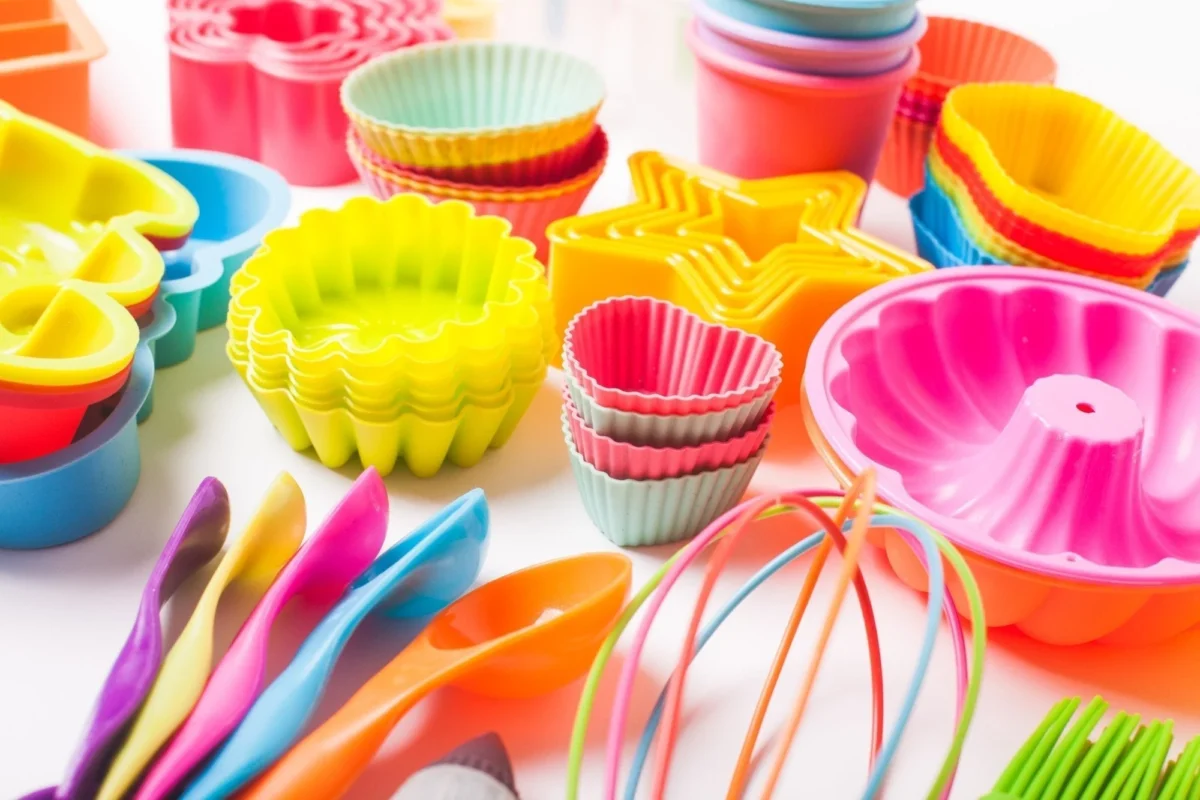
Silicone Moulds (Various Shapes)
Great for individual entremets, mousse domes, and inserts
In home baking, you eventually focus less on recipes and more on control. That’s when tools matter most.
Silicone moulds sit quietly in that space. They do not look impressive. They are soft, flexible, and often a little awkward to store. But once you understand what they allow you to do, they become one of the most important tools in a pastry kitchen.
If you have ever admired those clean mousse domes or perfectly shaped entremets behind a glass counter, silicone moulds are part of that story.
What Silicone Moulds Actually Do
At their core, silicone moulds give you precision without fighting you.
Traditional metal moulds hold shape, but unmoulding can be tricky, especially with delicate desserts. Silicone bends to release desserts cleanly, making it easier to create soft, delicate treats without damaging them.
They are especially useful for:
- Individual entremets
- Mousse domes
- Insert layers like gel, cremeux, or sponge.
- Frozen desserts that need a clean finish
They also handle both cold and heat, so you can freeze, bake, or set in the same mould, depending on the recipe.
Why They Matter for Modern Pastry
Modern pastry relies on layering and structure. You’re not just baking a cake, but building components that must align.
A typical entremet might include:
- A sponge base
- A crunchy layer
- A mousse
- A gel or cremeux insert
Each part should fit neatly within the next. Silicone moulds let you build in stages: freeze one layer, add another, freeze again.
Without moulds, you rely on improvisation. With them, you get consistency.
Choosing the Right Shape
Not all moulds serve the same purpose. Shape affects presentation and technique.
Dome Moulds
These are the most common starting points. They create that classic, rounded mousse shape seen in many pastry shops.
They’re forgiving and visually clean—great for beginners venturing into plated desserts.
Cylinder and Ring Moulds
These offer a more structured look. They are ideal when you want defined layers visible when cut.
They also work well for desserts that need a stable base.
Bar and Log Moulds
These are useful for portioning desserts. You build one large piece and cut clean portions after freezing.
This is practical for entertaining or batch preparation.
Insert Moulds
Smaller moulds are designed to create the inner core of a dessert. These are often filled with gel, caramel, or fruit puree, then frozen before being placed inside a larger mousse.
They are small but essential if you want contrast inside your desserts.
How to Use Silicone Moulds Well
The tool is simple. Refined technique makes the difference.
Work Cold and Stay Patient
Most mousse-based desserts rely on freezing. Each layer needs time to set before the next is added.
Rushing leads to uneven layers or a collapsed structure.
Fill Carefully
Air bubbles are your main enemy. Tap the mould gently after filling or use a spatula to smooth the surface.
For finer work, a piping bag gives better control than a spoon.
Freeze Before Unmoulding
Trying to remove a soft mousse will only lead to frustration. Freeze fully, then unmould while frozen.
The shape holds, and the surface stays clean.
Use a Flat Base
Set your mould on a tray before filling. Moving a filled silicone mould unsupported is difficult and messy.
A simple baking tray solves this.
The Finish Matters
Silicone moulds give you shape, but the final look depends on what you do next.
Many modern desserts are finished with:
- Mirror glaze
- Velvet spray
- Simple glaze or dusting
A smooth moulded surface allows finishes to sit evenly. Flaws in moulding show at this stage—care early on saves effort later.
Cleaning and Care
Silicone is durable but not indestructible.
- Wash with warm water and mild soap.
- Avoid sharp tools that can tear the surface.
- Let them dry fully before storing.
- Keep them flat if possible to avoid warping.
Over time, moulds may pick up odours if not cleaned well. A soak in warm water with baking soda can help.
Common Mistakes to Avoid
Overfilling
Leave space at the top to make sealing easier with a sponge or base.
Under-freezing
If the dessert is not fully frozen, it will not release cleanly. Give it time.
Using Very Thin Mixtures
Some fillings are too loose and can leak or not set. Balance your recipes.
Ignoring Temperature
Hot mixtures can warp or damage delicate shapes. Let components cool slightly before pouring.
Why I Still Reach for Them
Even after years in pro kitchens, silicone moulds are part of my daily work.
They allow repeatability. They remove small uncertainties. They give you the confidence to try layered desserts at home without needing commercial equipment.
Most importantly, they unlock creativity. Once you learn to build in a mould, you think differently about desserts.
You stop asking what to bake and start asking how to build.
Bringing It Into Your Kitchen
If you are exploring more advanced pastry at home, silicone moulds are a quiet but important step forward.
You don’t need every type. Start with a dome and an insert mould—enough to create a range of desserts.
If you are curious about how we approach structured desserts and refined techniques, you can explore more here:
https://www.fluxdesserts.com.au/
https://www.fluxdesserts.com.au/
You may also find these helpful:
https://www.fluxdesserts.com.au/menu
https://www.fluxdesserts.com.au/about
https://www.fluxdesserts.com.au/menu
https://www.fluxdesserts.com.au/about
FAQ: Silicone Moulds for Pastry
What are silicone moulds best used for in pastry?
They are ideal for mousse-based desserts, entremets, frozen desserts, and layered inserts where clean release is important.
They are ideal for mousse-based desserts, entremets, frozen desserts, and layered inserts where clean release is important.
Do I need to grease silicone moulds?
No. One of their main advantages is natural non-stick release.
No. One of their main advantages is natural non-stick release.
Can silicone moulds go in the oven?
Yes, most are oven safe. Always check the manufacturer’s temperature range.
Yes, most are oven safe. Always check the manufacturer’s temperature range.
Why is my dessert sticking to the mould?
It is usually not frozen enough or has too much moisture on the surface.
It is usually not frozen enough or has too much moisture on the surface.
How do I avoid air bubbles in mousse?
Fill slowly, tap the mould gently, and use a piping bag for better control.
Fill slowly, tap the mould gently, and use a piping bag for better control.
Are expensive moulds worth it?
Higher-quality moulds tend to hold their shape better and last longer, but you can still get good results with affordable options.
Higher-quality moulds tend to hold their shape better and last longer, but you can still get good results with affordable options.
Can I use silicone moulds for baking cakes?
Yes, but they are most useful for softer or more delicate desserts where release matters.
Yes, but they are most useful for softer or more delicate desserts where release matters.
How long should I freeze an entremet before unmoulding?
At least 4 to 6 hours, though overnight is more reliable for clean results.
At least 4 to 6 hours, though overnight is more reliable for clean results.
Related posts