Offset Spatula
January 12, 2026
Churros (Spain/Latin America)
January 12, 2026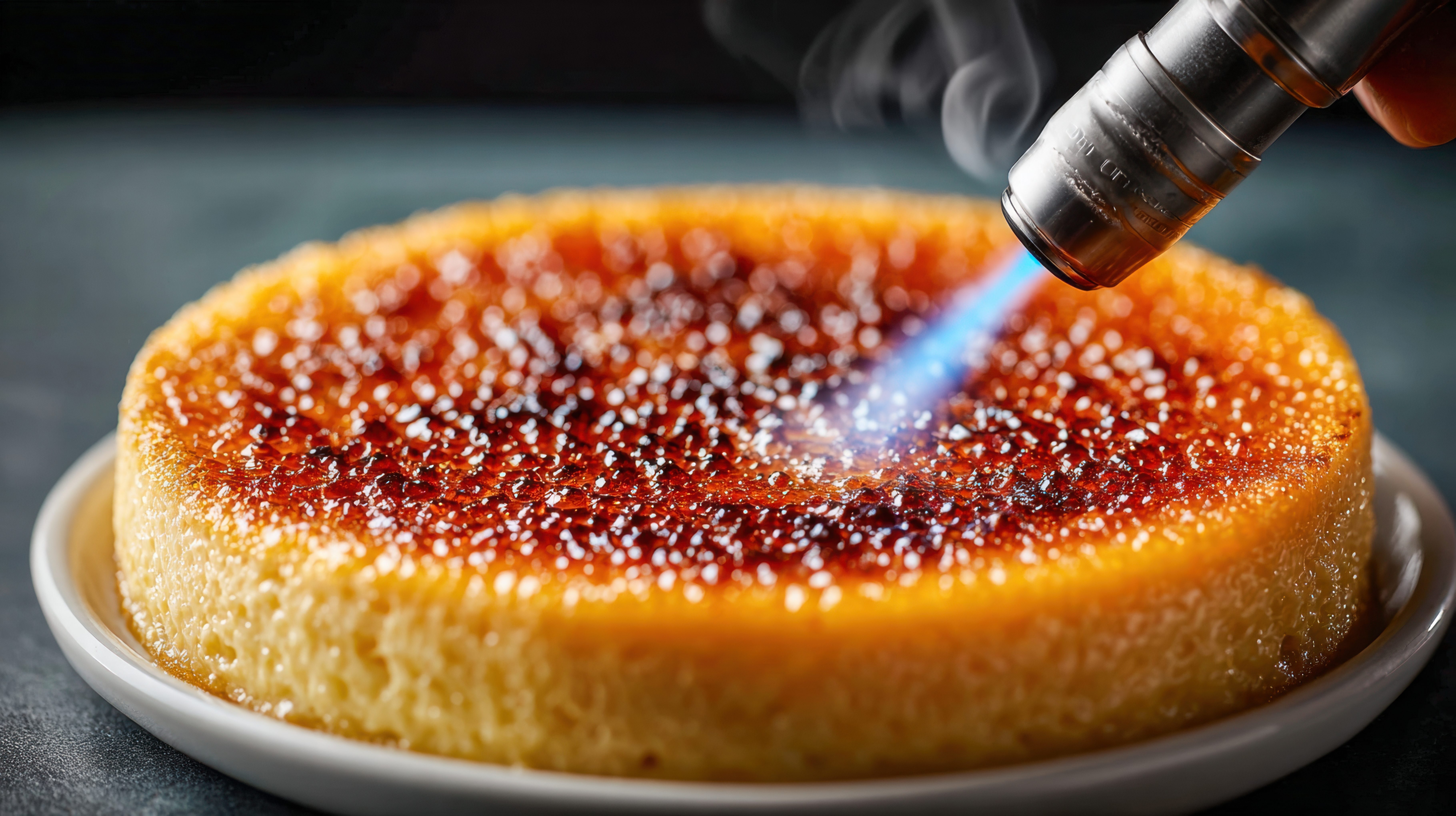
Useful for gently warming chocolate moulds or smoothing out glazes
There are moments in pastry where everything is technically correct, yet the finish is not quite there. The chocolate has bloomed slightly. The glaze looks dull instead of glossy. A mould releases, but not cleanly. These moments do not usually need more skill or a different recipe. They need gentle heat, applied with restraint.
This is where a heat gun or even a simple hair dryer earns its place in the advanced home kitchen. Used carefully, these tools solve small problems before they become visible flaws. Used carelessly, they can undo hours of work in seconds. Like many pastry tools, their value lies in understanding when and how to use them.
I have used both for years in professional kitchens, and I still keep both close. They are not interchangeable, but they do overlap in useful ways.
Why controlled heat matters in chocolate and glaze work
Chocolate and sugar are sensitive materials. A few degrees can change their structure, shine, and stability. In a professional setting, the room temperature is often controlled. At home, it rarely is.
A heat gun or hair dryer lets you make small adjustments without changing the entire environment. You are not heating the product through. You are warming the surface just enough to correct an issue.
This kind of control is especially important when working with:
- Tempered chocolate in moulds
- Mirror glazes and neutral glazes
- Ganache finishes
- Cocoa butter decorations
The goal is always the same. Restore smoothness and shine without melting or damaging what you have made.
Heat gun versus hair dryer
Both tools produce warm air, but they behave differently.
A heat gun is powerful. It delivers concentrated heat quickly and precisely. This makes it ideal for experienced hands and very short bursts of use.
A hair dryer produces gentler heat over a wider area. It is slower and more forgiving, which makes it suitable for many home applications.
If you are new to using heat in finishing work, a hair dryer is often the safer starting point. A heat gun offers more control once you understand how quickly chocolate and glaze respond.
Warming chocolate moulds
One of the most useful applications for gentle heat is warming chocolate moulds before filling or releasing.
Cold moulds can shock tempered chocolate. This often leads to streaking, dull patches, or poor release. A brief pass with warm air can bring the mould closer to chocolate temperature without overheating it.
I usually hold the heat source at a distance and move it back and forth. You are aiming for a mould that feels slightly warm to the touch, never hot.
This small step can dramatically improve the finish of moulded chocolates, especially in cooler kitchens.
Fixing dull or uneven chocolate surfaces
Even well-tempered chocolate can lose its shine if the environment is not ideal. A light bloom or dullness on the surface is sometimes only superficial.
A very gentle pass of warm air can reflow the cocoa butter at the surface just enough to restore gloss. This technique requires restraint. Too much heat and the chocolate will melt or lose its temper entirely.
I recommend practising this on test pieces. Learn how little heat is actually needed. Often, one or two seconds is enough.
Smoothing mirror glazes
Mirror glaze is unforgiving. It shows every ripple, bubble, and hesitation. A heat gun or hair dryer is invaluable here.
After glazing, small bubbles or drag marks may appear as the glaze settles. Gentle heat encourages the glaze to relax and level.
The key is distance and movement. Keep the air moving and stay far enough away that the glaze warms slowly. You should see imperfections soften, not disappear instantly.
This technique can turn an average glaze into a clean, reflective finish.
Working with ganache finishes
Ganache sets as it cools, and sometimes it sets a little too quickly. This can leave faint lines or uneven areas.
A light application of warm air allows the surface to relax. I often use a hair dryer for this, as the gentler heat gives more control.
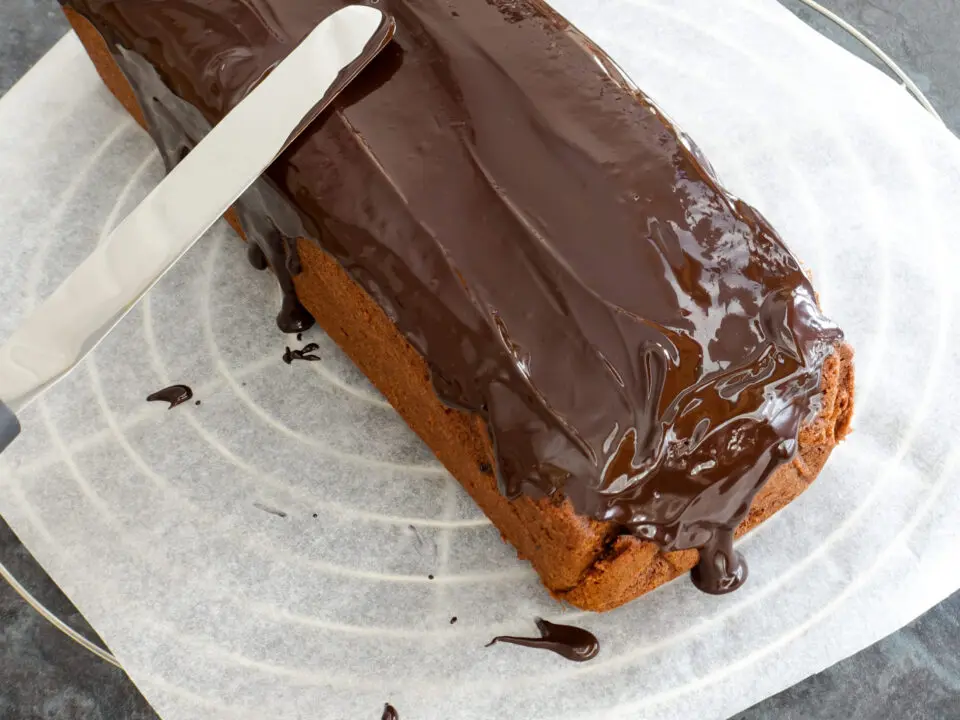
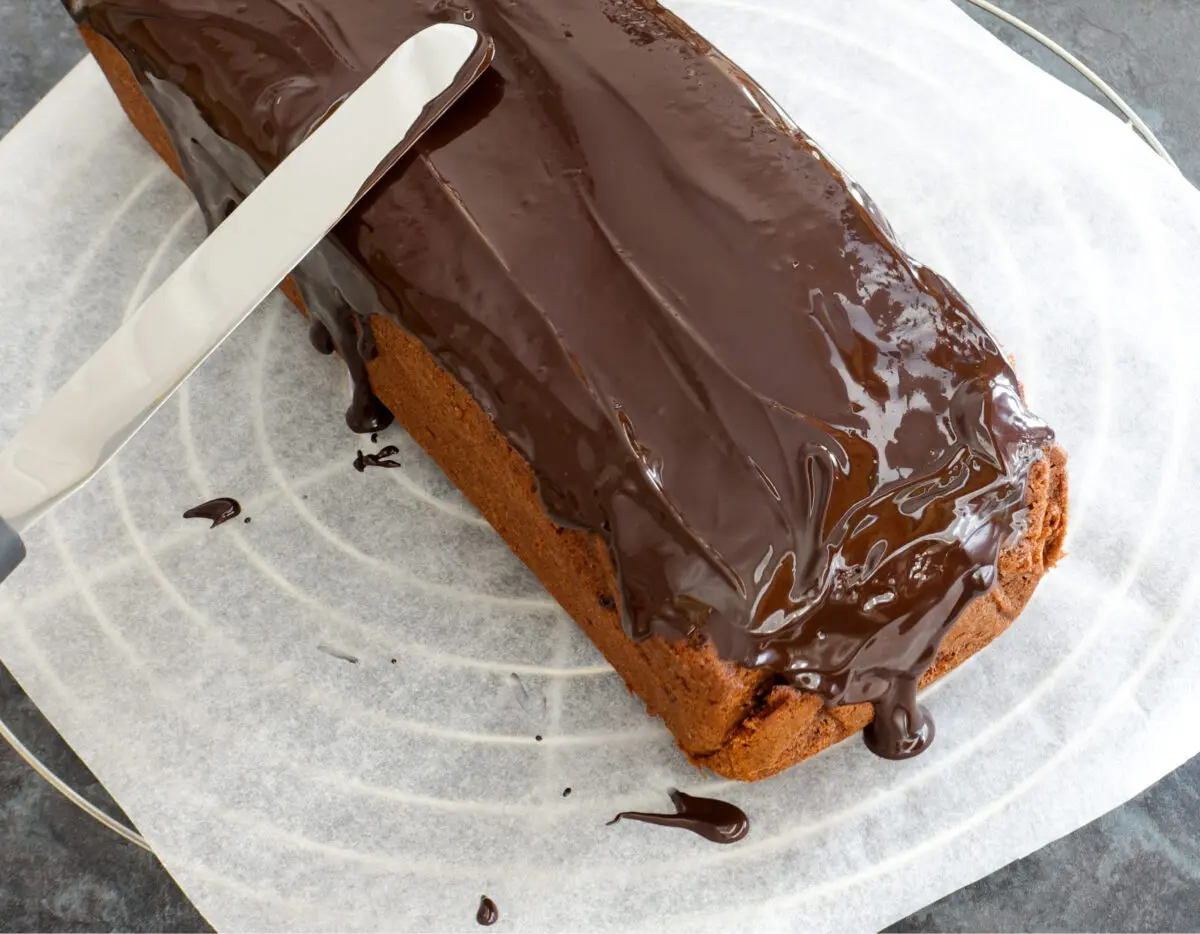
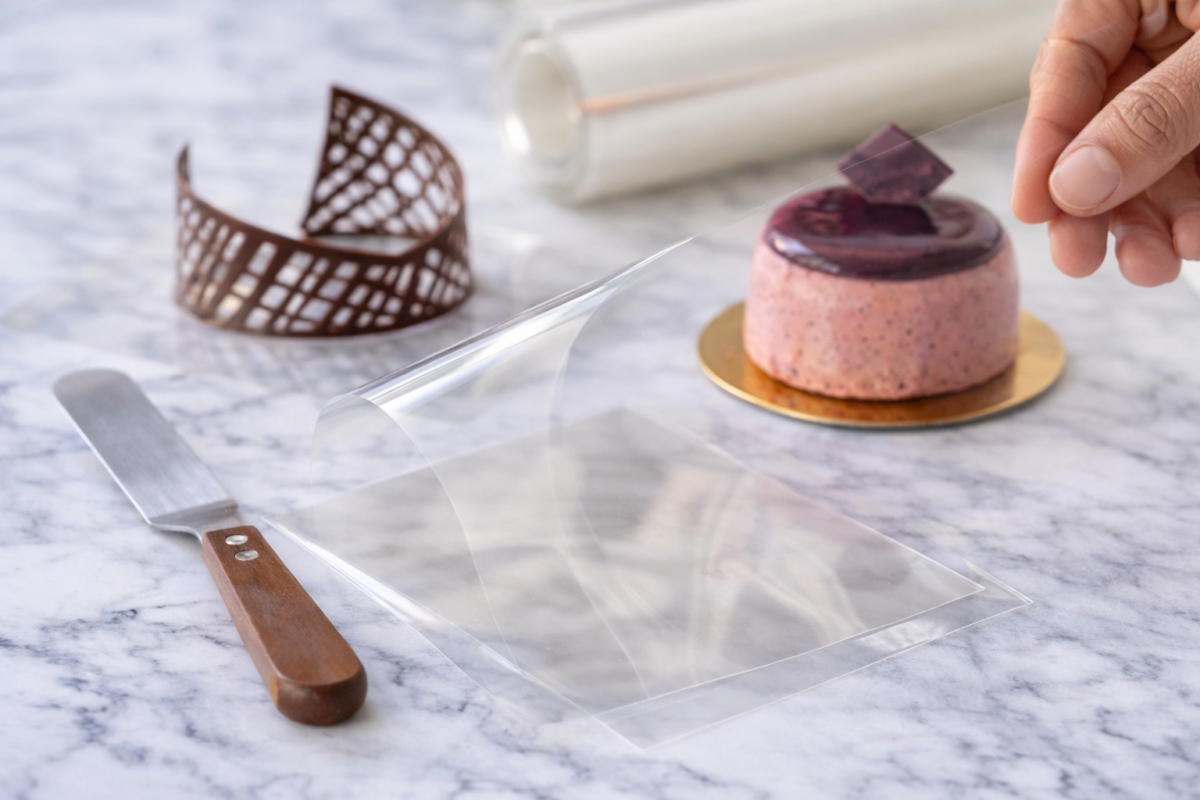
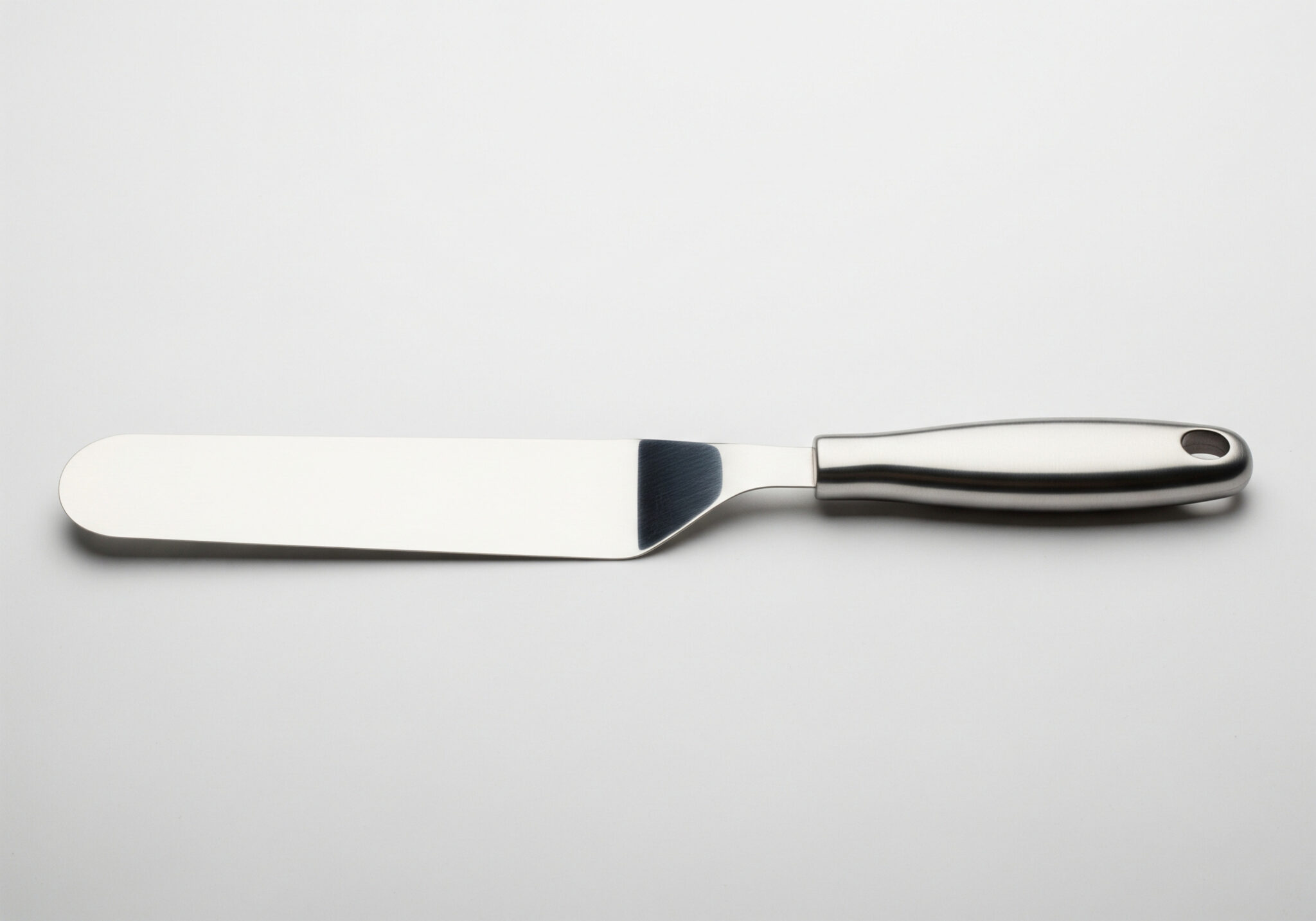
Once the surface softens, a clean offset spatula can refine the finish. Timing matters. If the ganache is too warm, it will lose structure.
Cocoa butter and decorative work
When working with cocoa butter, especially coloured cocoa butter, temperature control is everything. Cocoa butter thickens quickly as it cools.
A heat gun is useful for warming cocoa butter sprays, stencils, or surfaces just before application. It helps the cocoa butter spread evenly and adhere properly.
Again, restraint is essential. You are warming the surface, not melting the decoration.
Common mistakes to avoid
The most common mistake is holding the heat source too close. This concentrates heat, causing melting, streaking, or loss of temper.
Another mistake is staying in one spot too long. Always keep the air moving. Think of it as brushing the surface with warmth.
Finally, do not rush. Heat is a corrective tool, not a shortcut. If you find yourself relying on it constantly, something earlier in the process may need adjustment.
Choosing the right tool for your kitchen
If you choose a heat gun, look for one with adjustable temperature and airflow. Avoid industrial models that are too powerful for pastry work.
For hair dryers, a basic model without extreme heat settings is often best. You want predictable, gentle warmth.
Some pastry chefs keep one tool dedicated to food use to avoid contamination from dust or residues.
Care and safety
Always allow tools to cool before storing. Keep them clean and dry. Never use them near water or flammable materials.
Use common sense. These tools are helpful, but they demand attention.
Why this tool belongs in the advanced home kitchen
A heat gun or hair dryer is not about fixing mistakes. It is about finishing with intention. It gives you control over the final moments of a dessert, where small details matter most.
Used thoughtfully, it helps chocolate shine, glazes smoothly, and moulds release cleanly. It turns good work into polished work.
For the advanced home chef exploring chocolate and sugar work, this tool quietly expands what is possible.
Frequently Asked Questions
Is a hair dryer really safe to use for food work?
Yes, as long as it is clean and used only for gentle warming. Many pastry kitchens use them.
Yes, as long as it is clean and used only for gentle warming. Many pastry kitchens use them.
Which is better, a heat gun or a hair dryer?
A hair dryer is gentler and safer for beginners. A heat gun offers more control for experienced users.
A hair dryer is gentler and safer for beginners. A heat gun offers more control for experienced users.
Can I use a heat gun on tempered chocolate?
Yes, but only briefly and from a distance. Too much heat will ruin the temper.
Yes, but only briefly and from a distance. Too much heat will ruin the temper.
Why does my glaze lose shine after heating?
This usually means it was overheated. Use less heat and allow the glaze to settle naturally.
This usually means it was overheated. Use less heat and allow the glaze to settle naturally.
Should I warm moulds every time I make chocolates?
Only if the moulds are cold. In warm kitchens, this step may not be needed.
Only if the moulds are cold. In warm kitchens, this step may not be needed.
Can heat fix chocolate bloom?
Light surface bloom can sometimes be corrected. Deep bloom usually cannot.
Light surface bloom can sometimes be corrected. Deep bloom usually cannot.
Is it better to fix the heat issues or redo the glaze?
Minor issues can often be corrected with heat. Major flaws are best fixed by redoing the finish.
Minor issues can often be corrected with heat. Major flaws are best fixed by redoing the finish.
How close should I hold the heat source?
Far enough that the surface warms slowly. If you see immediate melting, you are too close.
Far enough that the surface warms slowly. If you see immediate melting, you are too close.
Related posts