Acetate Sheets
February 5, 2026
Amaury Guichon
February 10, 2026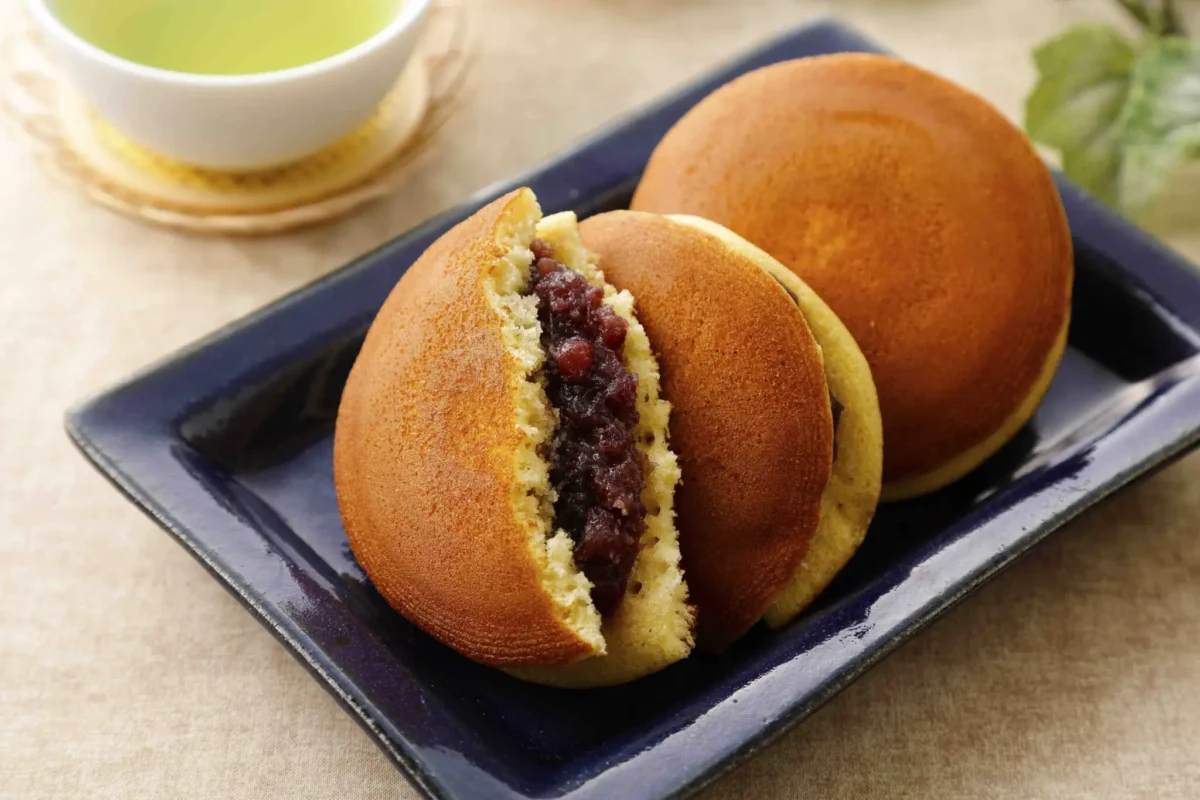
Dorayaki: Japan’s Comfort Dessert Wrapped in Two Pancakes
Dorayaki is one of those desserts that feels familiar even if you have never eaten one before. Two soft pancakes. A sweet filling. Simple, comforting, and quietly nostalgic. In Japan, dorayaki is more than just a snack. It is a childhood memory, a convenience store staple, and a symbol of everyday sweetness.
As pastry chefs, we often talk about technique and presentation, but dorayaki reminds us that some of the most enduring desserts succeed because they are honest and approachable.
Where Dorayaki Comes From
The origins of dorayaki are usually traced back to early twentieth-century Japan, with its modern form emerging in Tokyo. While sweet bean fillings had existed for centuries, the pancake-style casing was a relatively new idea.
The name dorayaki loosely translates to gong cooked. One popular story suggests that the pancake shape resembled a traditional gong, while another links the name to early street vendors cooking the batter on flat metal surfaces.
Unlike more formal wagashi served with tea ceremonies, dorayaki was designed for everyday eating. It was portable, affordable, and satisfying.
Internal link suggestion:
Link the phrase traditional Japanese sweets to a future or existing wagashi overview page on fluxdesserts.com.au.
Link the phrase traditional Japanese sweets to a future or existing wagashi overview page on fluxdesserts.com.au.
Who Is Credited With Its Invention
The modern dorayaki is most commonly credited to Usagiya, a long-standing confectionery in Tokyo established in the early 1900s. Usagiya popularised the pancake-style dorayaki filled with anko, making it accessible to the general public.
From there, dorayaki spread quickly. Bakeries, street stalls, and later convenience stores adopted it, each adding small variations while keeping the core idea intact.
This is a pattern seen across many enduring pastries. Once a format works, it becomes part of daily life rather than a special occasion treat.
Why Dorayaki Is So Popular in Japan
Dorayaki sits comfortably between dessert and snack. It is sweet without being heavy, filling without being indulgent.
Several reasons explain its lasting popularity:
- The flavour profile is gentle and balanced.
- It suits all ages, from children to older generations.
- It pairs naturally with tea or coffee.
- It travels well and keeps its texture.
Culturally, dorayaki is also associated with comfort and kindness. It often appears in popular media as a favourite treat of warm-hearted characters, reinforcing its emotional appeal.
The Classic Dorayaki Structure
At its core, dorayaki is made of:
- Two small pancakes, similar to castella in flavour
- A filling sandwiched between them
The pancake batter typically includes eggs, sugar, flour, and honey, giving it a soft crumb and golden colour. The texture should be tender rather than fluffy, with just enough structure to hold the filling.
For pastry chefs, dorayaki is a lesson in restraint. Overmixing, overcooking, or overfilling quickly throws it out of balance.
Traditional Fillings and Variations
The most traditional filling is anko, a sweet red bean paste made from azuki beans. There are two common types:
- Tsubuan, which retains some bean texture
- Koshian, which is smooth and refined
Both have their place. Texture preference often comes down to regional or personal taste.
Over time, variations have become more common, including:
- Custard cream
- Matcha flavoured fillings
- Chestnut paste
- White bean paste
Internal link suggestion:
Link the phrase matcha desserts to a relevant Flux Desserts blog or product page.
Link the phrase matcha desserts to a relevant Flux Desserts blog or product page.
Modern Adaptations Around the World
As Japanese desserts gained international attention, dorayaki travelled with them. Outside Japan, pastry chefs began experimenting with fillings more familiar to local palates.
Common international adaptations include:
- Chocolate ganache
- Fresh cream with fruit
- Nutella or hazelnut spreads
- Salted caramel
Some versions lean toward Western pancakes, while others remain faithful to the original batter. The most successful adaptations respect the scale and softness of the original rather than turning it into a cake.
Dorayaki in Contemporary Pastry
In modern patisserie, dorayaki is sometimes reimagined as:
- Mini plated desserts
- Frozen treats
- Layered tasting elements
Even then, the best versions keep the spirit of the original. Dorayaki works because it is simple. When it becomes too elaborate, it loses its charm.
This balance between tradition and creativity is deeply valued at Flux Desserts.
Internal link suggestion:
Link contemporary pastry techniques to an internal article about modern dessert design.
Link contemporary pastry techniques to an internal article about modern dessert design.
Accompaniments and How Dorayaki Is Enjoyed
Dorayaki is rarely eaten with elaborate accompaniments. That is part of its appeal.
Common pairings include:
- Green tea
- Hojicha
- Light black tea
- Coffee
It is often eaten mid-afternoon or as a casual dessert rather than at the end of a formal meal.
Why Dorayaki Still Matters
Dorayaki reminds us that desserts do not need to shout to be memorable. It is gentle, familiar, and quietly satisfying.
In a world of complex plated desserts and dramatic presentations, dorayaki holds its place by doing one thing very well. It comforts rather than impresses, and that is a quality worth preserving.
Final Thoughts From the Pastry Kitchen
For pastry chefs and home bakers alike, dorayaki offers a beautiful lesson. Mastery is not always about complexity. Sometimes it is about getting the basics exactly right.
At Flux Desserts, we see dorayaki as a reminder of why people fall in love with desserts in the first place.