Lemon Tart
November 3, 2025
Chefs Torch
January 12, 2026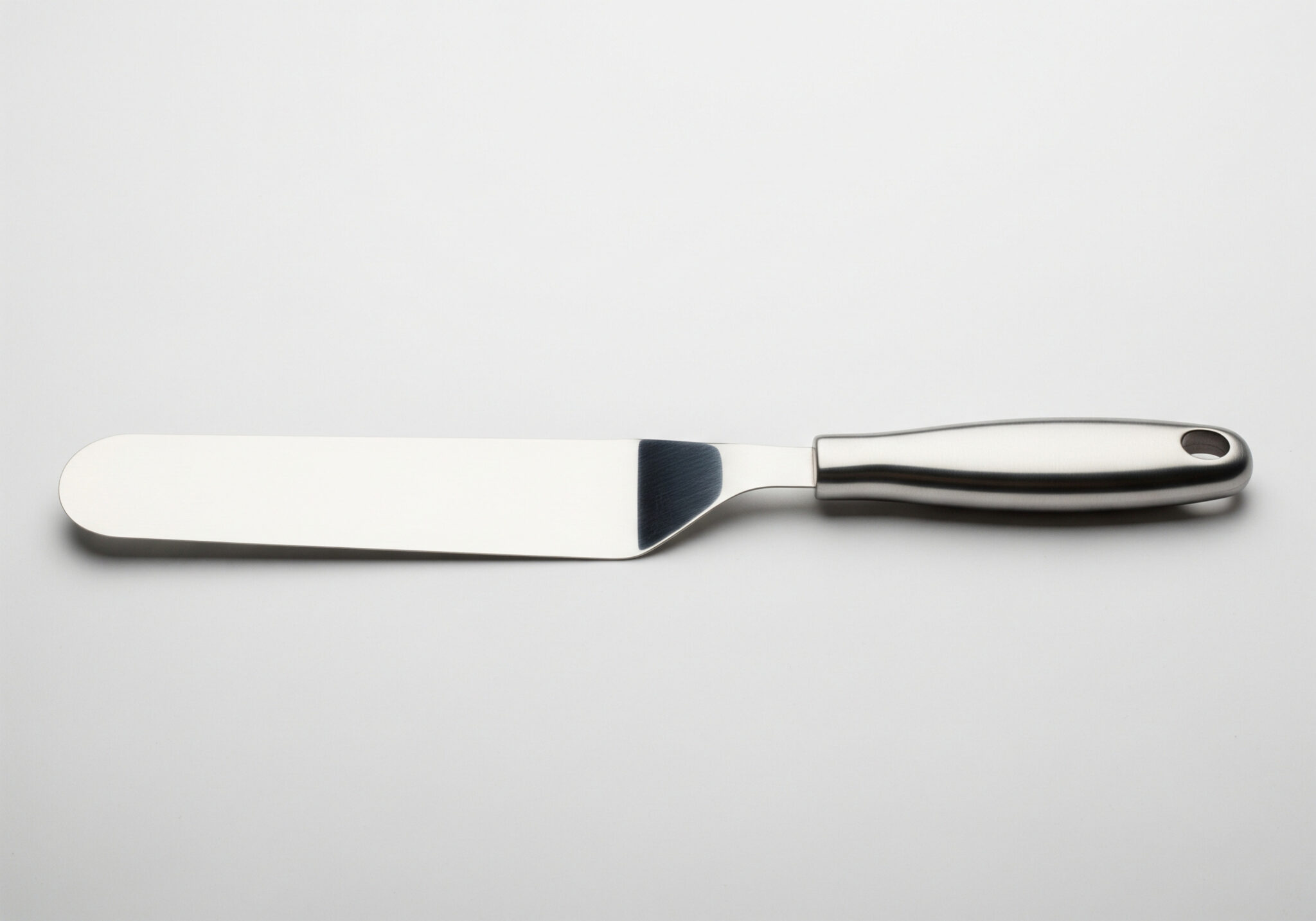
For spreading ganache, smoothing frosting, and lifting delicate items
If I had to choose one tool that quietly does the most work in a pastry kitchen, it would be the offset spatula. It does not make noise. It does not look impressive. Yet it sits in my hand for more hours than almost anything else when I am working with chocolate, sugar, cream, and butter.
For the advanced home chef, the offset spatula is not optional. It is the bridge between intention and finish. It lets you control thickness, smoothness, and movement without disturbing what you are working on. That matters when ganache is at the edge of setting, when sugar is fragile, and when frosting shows every touch.
I always keep two sizes within reach. A small offset spatula and a large one. They do different jobs, and understanding why will change the way your desserts look and feel.
What makes an offset spatula different
The blade of an offset spatula is bent slightly upward from the handle. That small lift is everything. It keeps your knuckles off the surface, gives you better sight lines, and allows the blade to glide rather than scrape.
Straight spatulas have their place, but offset spatulas excel when precision and surface control matter. In chocolate and sugar work, the difference is immediately obvious. You are not pushing. You are guiding.
The large offset spatula and surface work
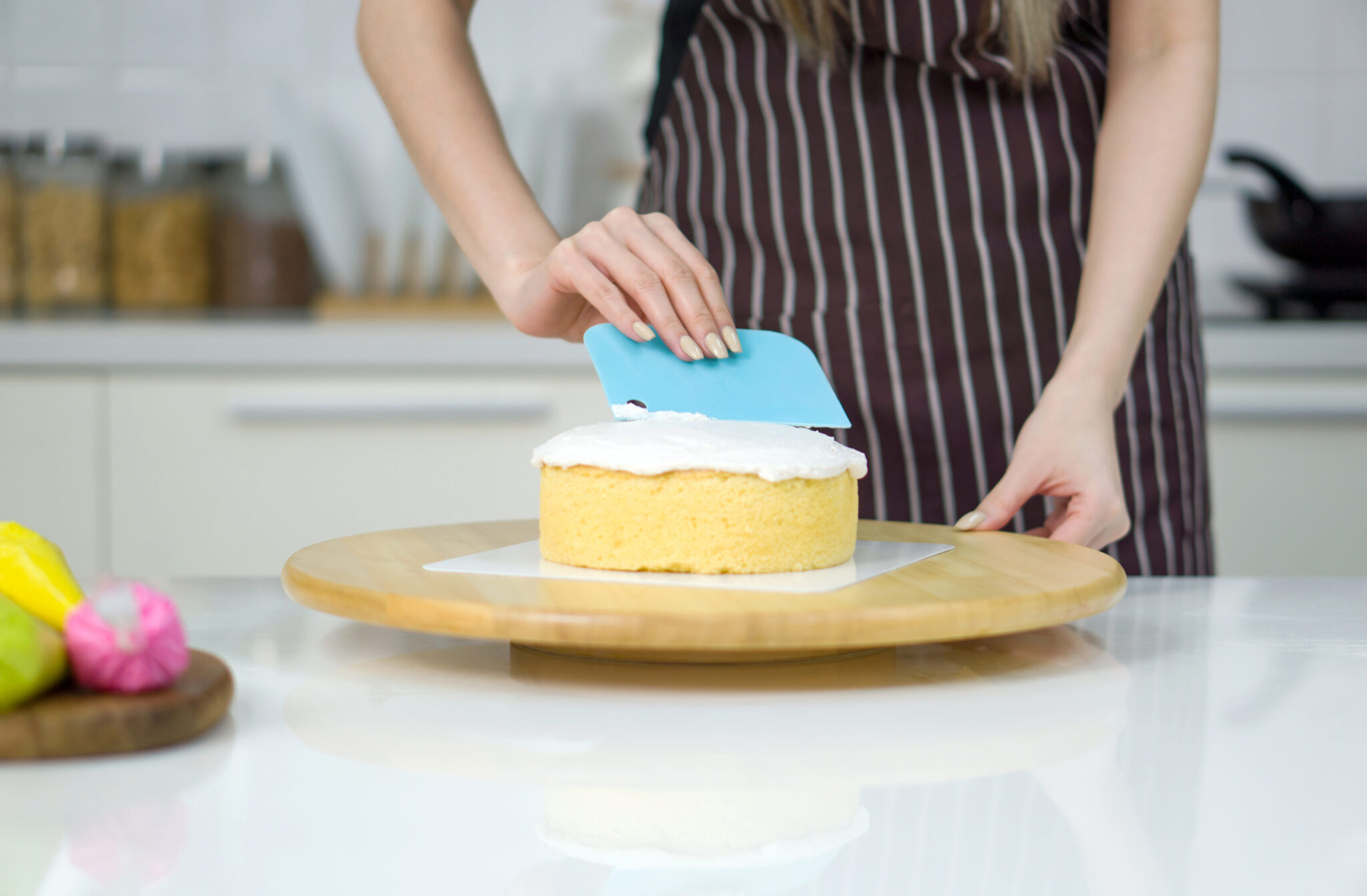
The large offset spatula is your main tool for coverage and smoothing. I use it for cakes, slabs, entremets, and anything with a wide surface.
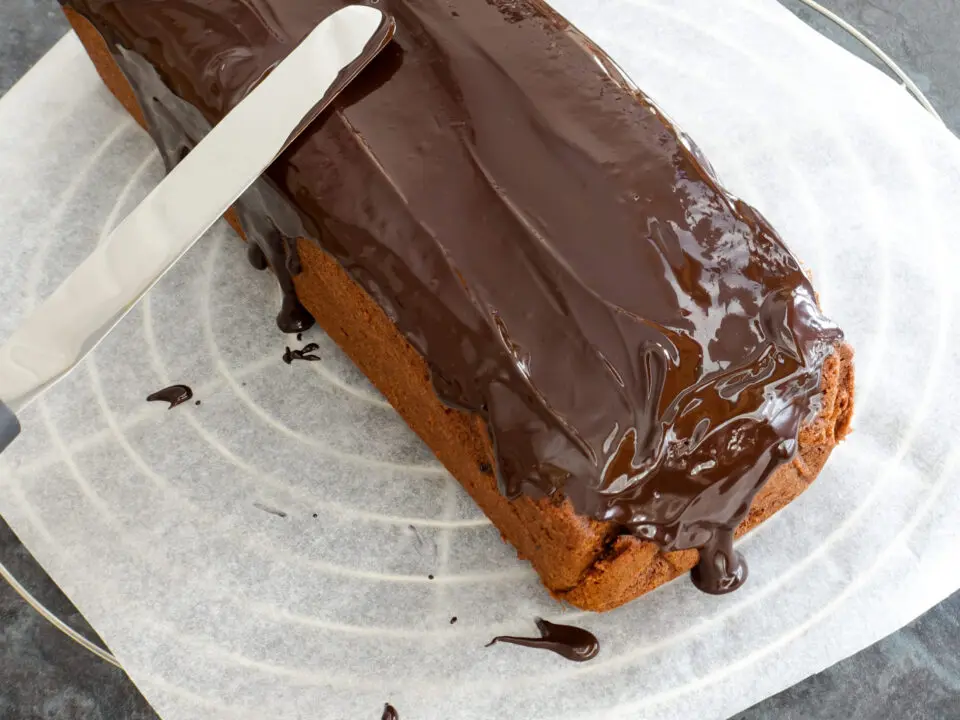
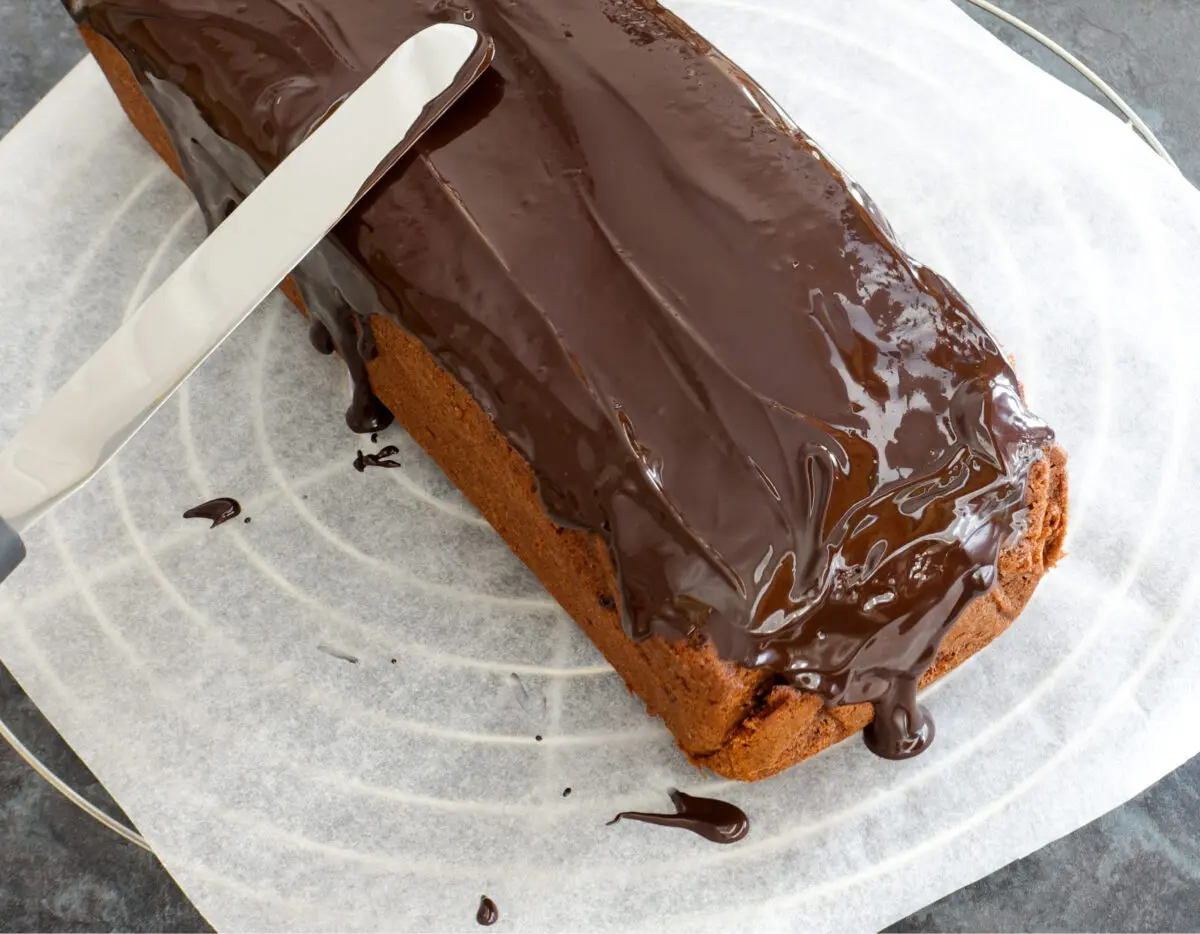
When spreading ganache, the large offset spatula allows you to move quickly and evenly. Ganache sets quickly, especially when the chocolate ratio is high. A confident pass with a long blade avoids overworking the surface, which can introduce marks or dull patches.
For buttercream or mousse, the large offset spatula helps establish flat planes. Think of it as setting the architecture of the dessert. Once the main surfaces are clean, you can refine details with smaller tools.
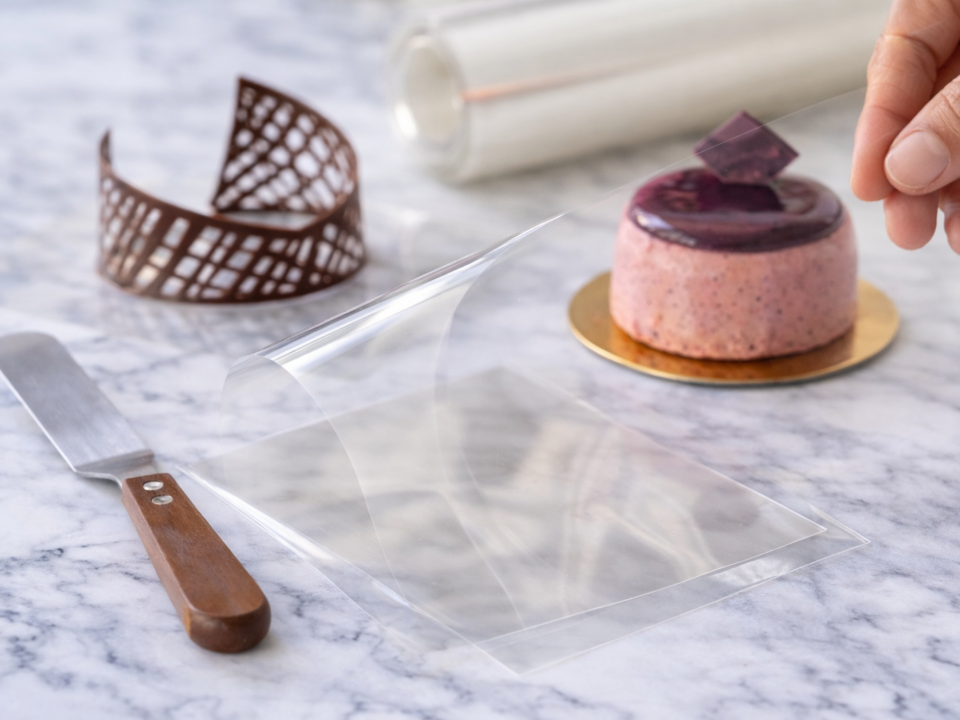
In sugar work, a large offset spatula is useful for lifting thin sheets or transferring delicate decorations. The length distributes weight evenly, which reduces cracking.
The small offset spatula and precision
The small offset spatula is about control. This is the tool I reach for when working around edges, corners, and tight spaces.
It is perfect for finishing cake sides, tidying rims, and smoothing small imperfections without disturbing the rest of the surface. When glazing or coating petits gâteaux, the small offset spatula allows you to guide excess glaze away cleanly.
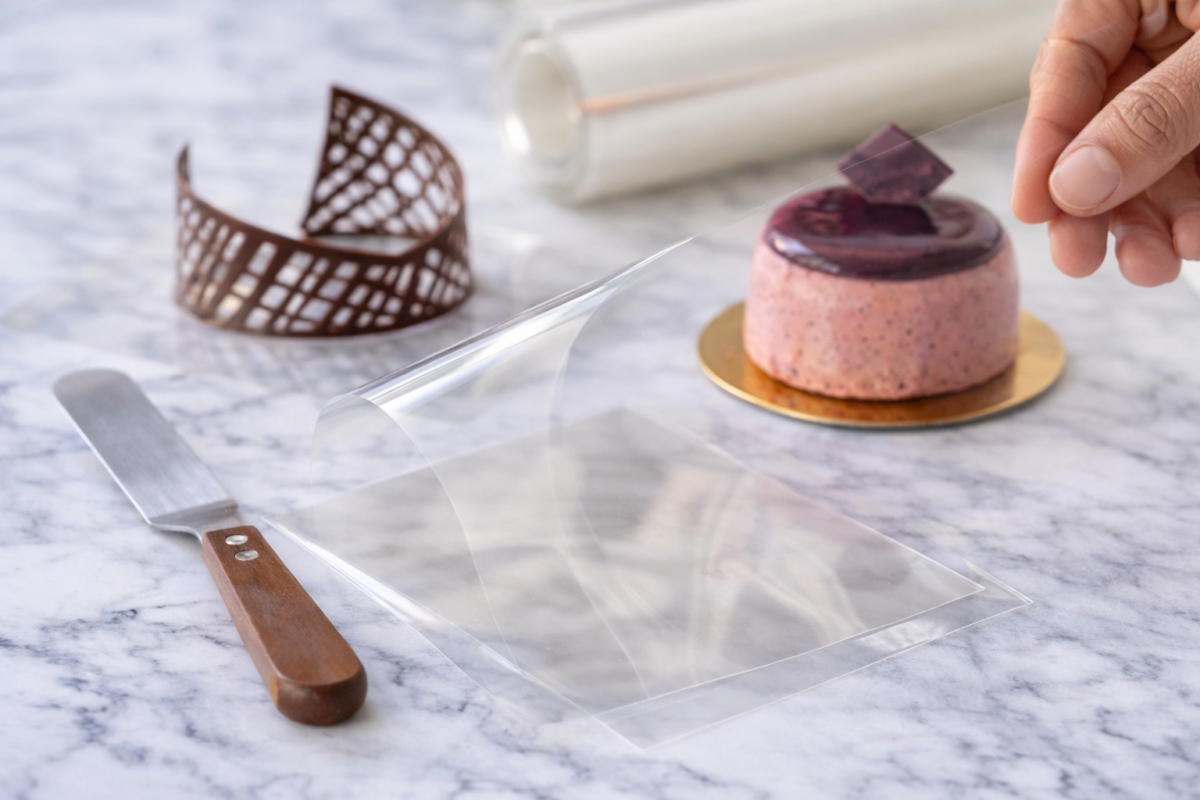
In chocolate work, it becomes almost an extension of your fingers. I use it to spread tempered chocolate thinly, lift decorations from acetate, and adjust placement without melting the surface.
For sugar decorations, especially pulled or blown sugar elements, the small offset spatula helps move pieces without stress. You are not pinching or pressing. You are supporting.
Why size matters more than people think
Many home cooks buy one offset spatula and assume that it is enough. It rarely is. The blade size affects pressure, speed, and finish.
A blade that is too short forces you to make more passes. Each pass risks marks. A blade that is too long for detail work becomes clumsy.
In professional kitchens, we choose tools based on the scale of the task. Advanced home chefs should do the same. Having both sizes available lets you work efficiently and calmly.
How offset spatulas improve chocolate work
Chocolate is unforgiving. It shows fingerprints, streaks, and hesitation. Offset spatulas reduce contact and help maintain clean lines.
When spreading ganache on a slab for cutting, the blade glides just above the surface. You control thickness without dragging. When finishing a cake coated in ganache, the offset angle helps you smooth without collapsing the edges.
During tempering work, offset spatulas are useful for moving chocolate across marble or silicone without introducing air. They also allow you to scrape cleanly without shocking the chocolate.
Sugar work and gentle handling
Sugar is fragile once set. Even slight pressure can cause cracks. Offset spatulas are ideal because they allow you to lift and move pieces with support rather than grip.
When working with poured sugar or isomalt, I often slide a small offset spatula under decorations to release them from the mat. The thin blade separates cleanly without stress.
For assembled sugar showpieces, offset spatulas help position elements accurately before final setting. Precision matters more than speed here.
Choosing the right offset spatula
Not all offset spatulas are equal. Look for a blade that is flexible but not floppy. Too stiff and it will gouge. Too soft and it will lack control.
Stainless steel blades are best for chocolate and sugar work. They clean easily and hold their edge. The handle should feel balanced and comfortable. If it twists in your hand, you will fight it.
Length matters. For most home kitchens, a large offset spatula around 20 to 25 centimetres and a small one around 10 to 15 centimetres cover nearly all needs.
Care and maintenance
Offset spatulas last for years if properly cared for. Wash them promptly after use, especially after working with sugar, which can harden like cement. Dry them fully to avoid corrosion around the handle.
Do not use them as pry tools or scrapers on hard surfaces. Keep them for pastry work. A nick in the blade will show up in your finishes.
Store them flat or upright so the blades do not bend.
Why this tool earns its place
The offset spatula is not exciting, but it is transformative. It teaches patience, control, and respect for the medium. It allows you to work with chocolate and sugar rather than against them.
For the advanced home chef, mastering the offset spatula is a quiet milestone. It shows in smoother cakes, cleaner lines, and desserts that look composed rather than rushed.
Once you understand how to use both sizes intentionally, you will wonder how you ever worked without them.
Frequently Asked Questions
Do I really need both a small and a large offset spatula?
Yes. They serve different purposes. The large one handles surfaces and coverage. The small one handles detail and precision.
Yes. They serve different purposes. The large one handles surfaces and coverage. The small one handles detail and precision.
Can I use an offset spatula instead of a palette knife?
For most pastry and dessert work, yes. Offset spatulas are more versatile and easier to control around delicate items.
For most pastry and dessert work, yes. Offset spatulas are more versatile and easier to control around delicate items.
Is flexibility important in the blade?
Yes. A slight flex allows smoother spreading and better surface contact without digging in.
Yes. A slight flex allows smoother spreading and better surface contact without digging in.
Can offset spatulas be used for sugar work?
Absolutely. They are excellent for lifting, positioning, and safely releasing sugar decorations.
Absolutely. They are excellent for lifting, positioning, and safely releasing sugar decorations.
How do I avoid marks when smoothing ganache?
Work confidently, use the correct blade size, and avoid going back over areas that have started to set.
Work confidently, use the correct blade size, and avoid going back over areas that have started to set.
Should I chill cakes before smoothing with an offset spatula?
A lightly chilled cake is easier to smooth, especially when working with ganache or buttercream.
A lightly chilled cake is easier to smooth, especially when working with ganache or buttercream.
Are silicone spatulas a replacement for offset spatulas?
No. Silicone spatulas are useful for mixing and scraping bowls, but they do not offer the surface control needed for finishing work.
No. Silicone spatulas are useful for mixing and scraping bowls, but they do not offer the surface control needed for finishing work.
How long should a good offset spatula last?
With proper care, a quality offset spatula can last many years, even with frequent use.
With proper care, a quality offset spatula can last many years, even with frequent use.
Related posts