
The History of the Pavlova (And Why Australia and New Zealand Still Argue About It)
September 8, 2026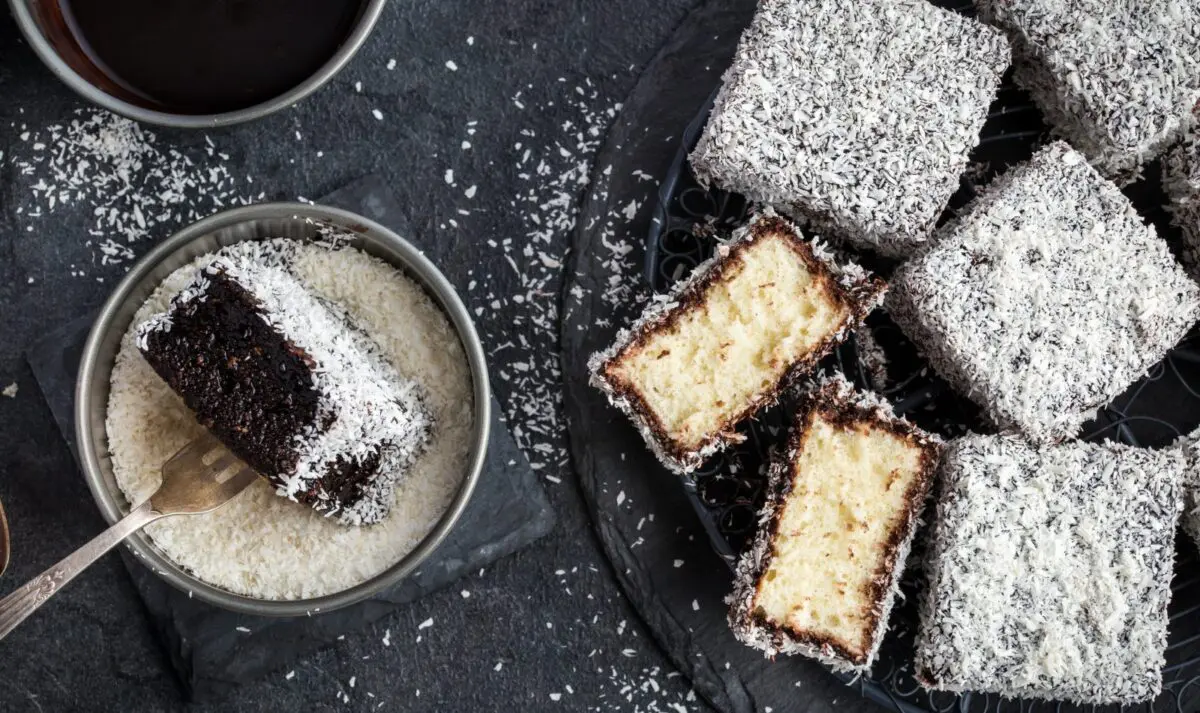
A lamington is a deceptively simple thing: a square of plain sponge, a dip in chocolate, a roll in coconut. No lamination, no tempering, no sugar work. Yet it sits on every Australian bake sale table, and it carries one of the most argued-over origin stories in the country’s food history.
Here’s what we actually know, what we’re only told, and what sounds good but doesn’t hold up.
The governor and his chef
Lord Lamington served as Governor of Queensland from 1896 to 1901. His household in Brisbane included a French chef de cuisine, Armand Galland, and the best-supported version of the story starts there.
According to Old Government House in Brisbane, Galland created the cake in 1900 to feed a very large crowd at one of Lady Lamington’s “At Home” gatherings, with around 1,200 guests mentioned. He cut sponge into squares, coated them in chocolate and finished them in coconut, and named them in honour of his employers. The house also records that Lord and Lady Lamington’s granddaughters confirmed in 1990 that the cake was created by the chef at Government House.
It’s a good story, and it may well be true. But it comes with a caveat that any honest food historian will give you.
What the paper trail says
The earliest published recipe anyone has found is in the Queensland Country Life newspaper of 17 December 1900. A few years later, The Queenslander ran a recipe attributed to Amy Schauer, on 26 November 1904. That’s the documented part. The State Library of Queensland points out that the records confirm lamingtons were in print by 1900 and strongly suggest a Government House connection, but they stop short of proving who invented them.
In other words, the cake clearly existed in Queensland at the turn of the century. Everything before the recipe is oral history.
The stories that don’t survive scrutiny
Like any good folk dish, the lamington has collected legends.
- The dropped sponge. A servant, the story goes, drops a cake into chocolate icing, and the coconut is added to hide the mess. A version printed in 1977 had the cake falling into gravy at a banquet, with coconut standing in for the gravy. The State Library of Queensland rates that source as almost completely unreliable.
- Toowoomba. A local theory credits a cook, Fanny Young, at Harlaxton House around 1900 or 1901, improvising with plain cake and whatever coating was on hand. It’s a lovely local tradition, but it comes with no documentation that beats the 1900 recipe.
- New Zealand. A 2014 April Fools’ article claimed the cake was invented across the Tasman and renamed “Wellingtons”. It was a joke. Unlike the pavlova, there’s no real dispute here.
Why the lamington works, from a baker’s side
The reason the cake caught on is practical. A chilled or day-old sponge holds its shape when you dip it, and the thin chocolate coating soaks slightly into the crumb, which gives the lamington its slightly fudgy outer layer. That’s why the traditional cake leans on leftover or day-old sponge: fresh, tender sponge tears and falls apart in the icing.
If you’re making them at home, bake your sponge a day ahead, chill the squares properly, and keep the icing thin enough to coat rather than clump. Variations like a layer of jam or cream between two halves are common, and they’re a good place to start if you want to put your own spin on it.
An icon of the school fete
Today the lamington belongs to the community as much as to any kitchen. Lamington drives are a staple of school and charity fundraisers across Australia, and 21 July is National Lamington Day.
Whoever really made the first one, the name stuck to a governor who, as far as anyone knows, never baked a thing. Next in this series, we’ll look at the vanilla slice, another Australian bakery favourite with its own set of arguments.
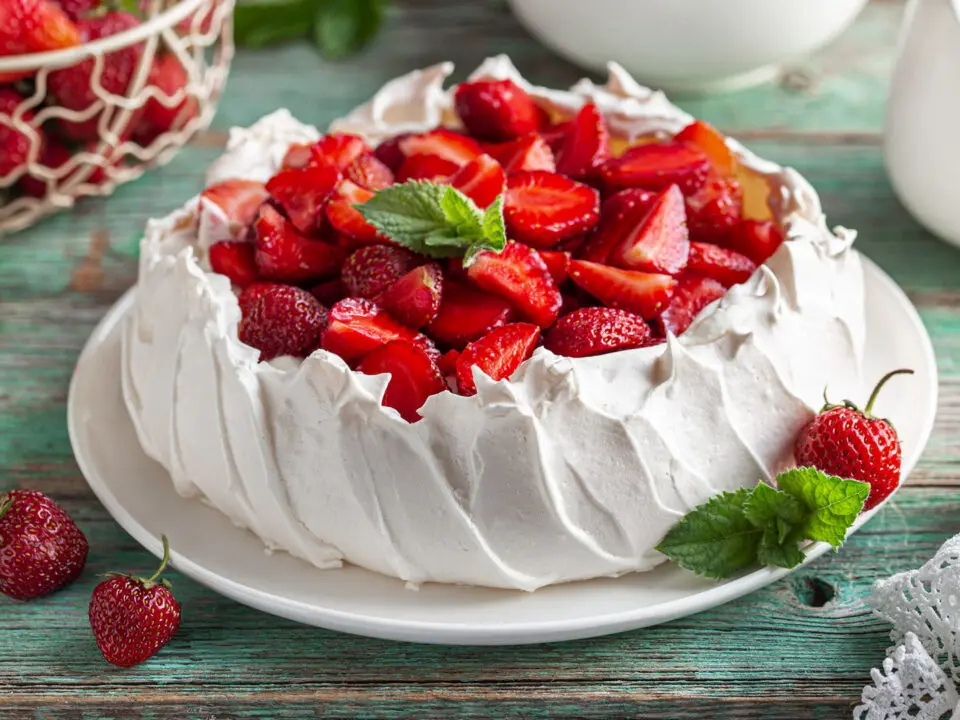
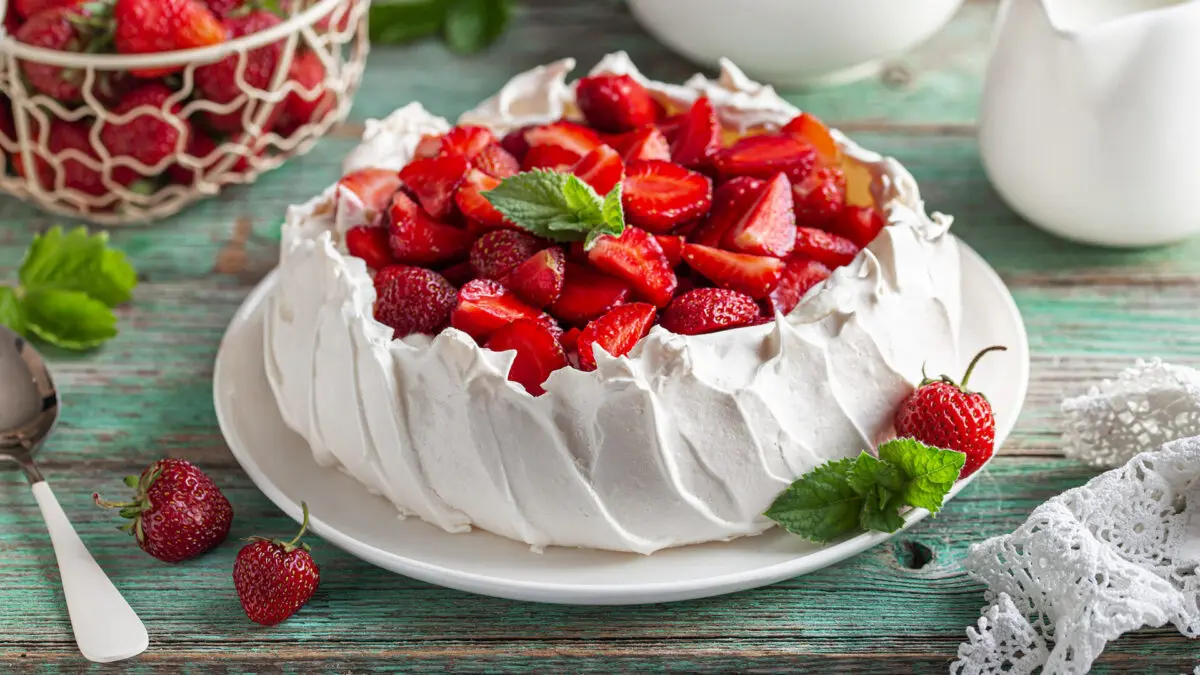
If you missed it, start with the history of the pavlova, the other great Australian dessert dispute.